This page is an English translation of the original Italian article. The original publication date and historical context have been preserved.
New divers are sometimes frightened by marine animals simply because they are unfamiliar. The sea must always be respected, but our perception of its creatures is often distorted by a lack of knowledge.
On land we encounter animals and insects every day. We have classified them in our minds and rarely treat them as an immediate threat, even when some can sting, bite or carry disease. Familiarity changes our response.
For marine life, the opposite is often true. A beginner may rarely have seen these animals in their natural environment, so imagination fills the gaps. Sometimes all that is needed is more time in the water; sometimes the fear comes from stories and films that have little connection with reality.
The example of sharks
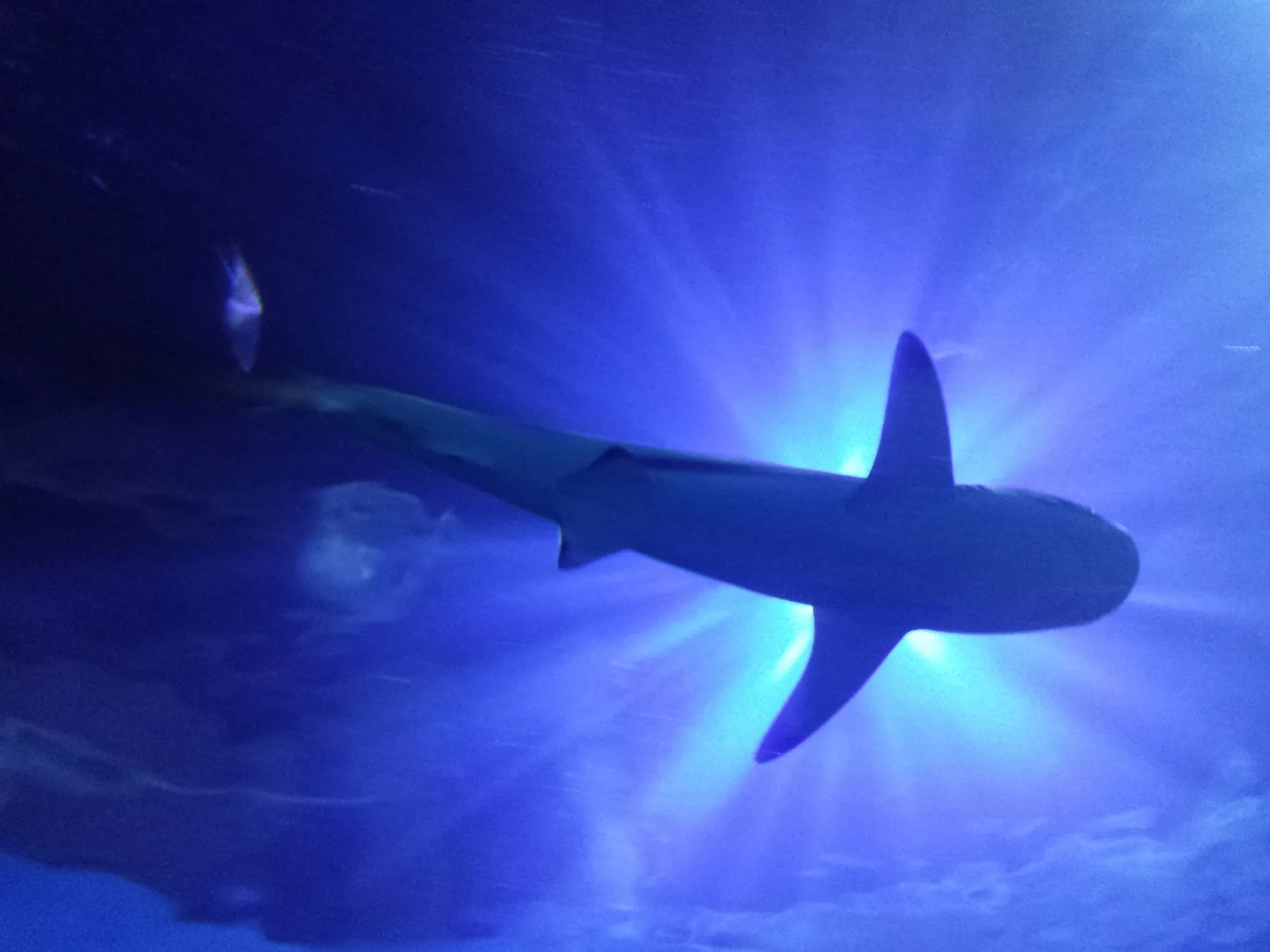
Sharks are highly adapted marine animals that generally continue with their own behaviour rather than actively seeking divers. Incidents are rare when compared with many familiar risks on land.
The release of Jaws in 1975 had an enormous cultural impact. It helped create an enduring image of sharks as deliberate human hunters. Author Peter Benchley later spoke publicly about the damage caused by that perception and became involved in shark conservation.
Shark bites on people are uncommon, and many appear to be exploratory or mistaken interactions rather than predation. That does not mean sharks are harmless or that divers should approach them carelessly. It means the risk should be understood realistically rather than through fiction.
We do not need to fear every creature that lives in the sea. We should observe with respect, avoid touching or chasing wildlife and remember that, during every dive, we are guests in their environment.