This page is an English translation of the original Italian article. The original publication date and historical context have been preserved.
Scuba diving can be one of the most enjoyable and relaxing activities in life. It clears the mind, creates a sense of wellbeing and offers unforgettable experiences. To preserve that pleasure, safety must remain part of every dive.
1. Dive with a buddy
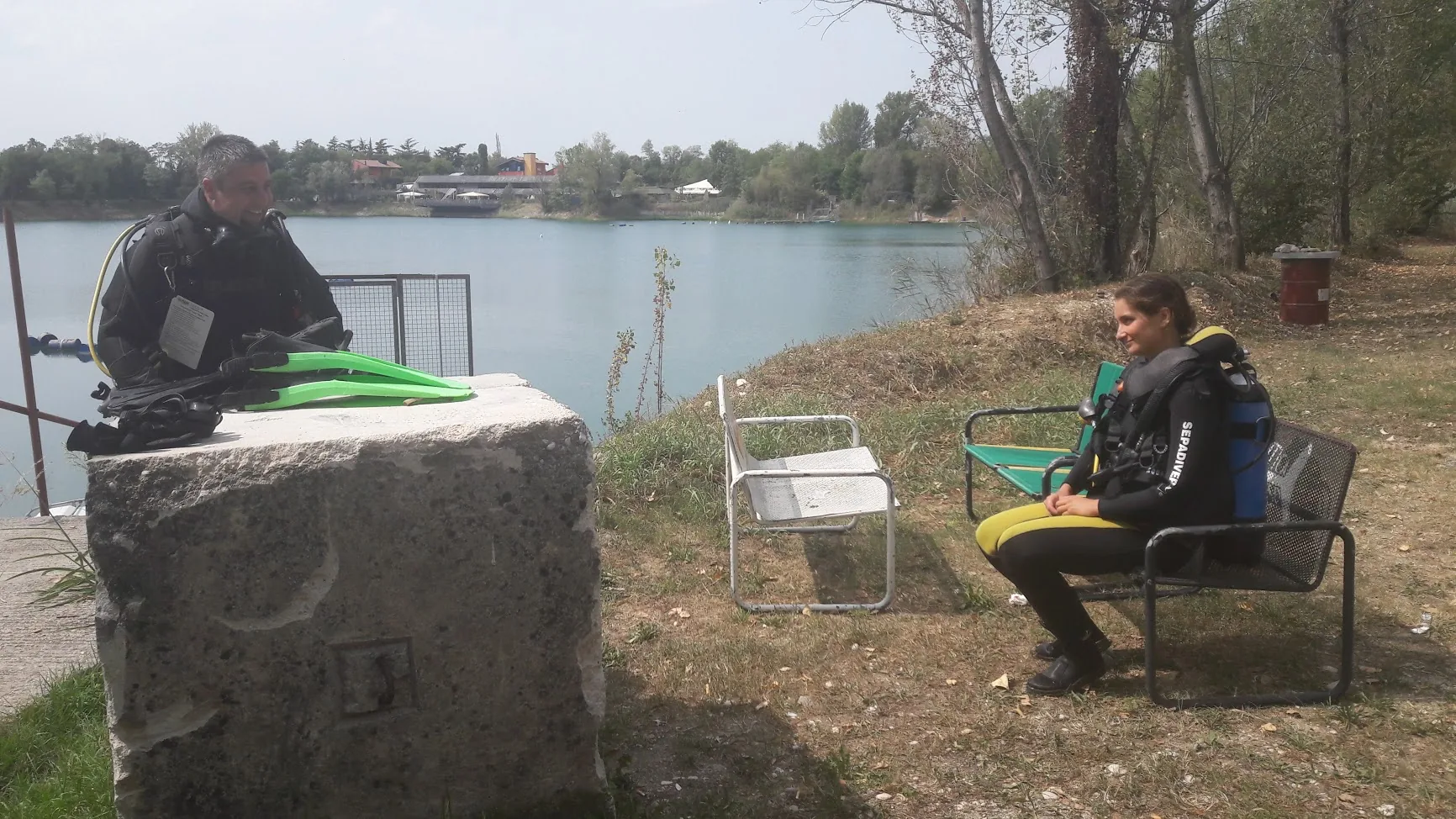
A capable buddy can help solve problems underwater, call for assistance and perform pre-dive checks. A buddy also makes the experience more enjoyable. Diving is a social activity, and sharing it is part of its value.
2. Check your equipment in advance
Do not wait until the morning of the dive. Inspect the mask strap, fin straps, BCD, regulators and other life-support equipment early enough to repair or replace anything faulty. Charge torches, cameras and strobes. A written packing list can prevent an entire dive being lost because one essential item was left at home.
3. Be physically and mentally prepared
Reasonable fitness improves the ability to cope with exertion and emergencies. Mental preparation matters just as much. Visualise the important phases of the dive, consider the conditions and arrive with enough time to assemble equipment calmly.
4. Stay relaxed
Monitor your own stress before it reaches panic. A small problem is easier to solve early, especially with a buddy’s help. Slow, controlled breathing and a willingness to stop, think and communicate are more valuable than rushing to the surface.
5. Know the dive site
Learn the entry and exit points, depth, current, navigation, temperature and specific hazards. At an unfamiliar site, use a competent local guide. Site knowledge also helps you choose the correct exposure protection, gas, lights, compass and other equipment.
6. Follow responsible diving practices
Stay hydrated, avoid excessive alcohol, assess illness and medication honestly, perform the buddy check and remain within your training and experience. Follow the ascent rate and decompression guidance provided by your current training and computer.
Rules about flying or breath-hold diving after scuba depend on the exposure and current guidance. Plan conservatively and consult the appropriate agency or medical authority rather than relying on an old number remembered from a course.
7. Consider appropriate insurance
Especially when travelling, diving insurance can provide medical assistance, evacuation support and financial protection. Some operators require proof of suitable cover. Read the policy carefully, because benefits and exclusions differ.
8. Dive regularly
Do not allow months or years to pass without refreshing skills. Local dives may not be exotic, but they keep procedures familiar, reveal equipment problems and build experience. After a long break, arrange a supervised refresher before attempting a demanding dive.
Safety is not one dramatic action. It is the result of many small, consistent decisions made before, during and after every dive.