This page is an English translation of the original Italian article. The original publication date and historical context have been preserved.
The short answer is yes—but cylinders must be transported securely, and the rules differ between private and commercial transport.
In a private car
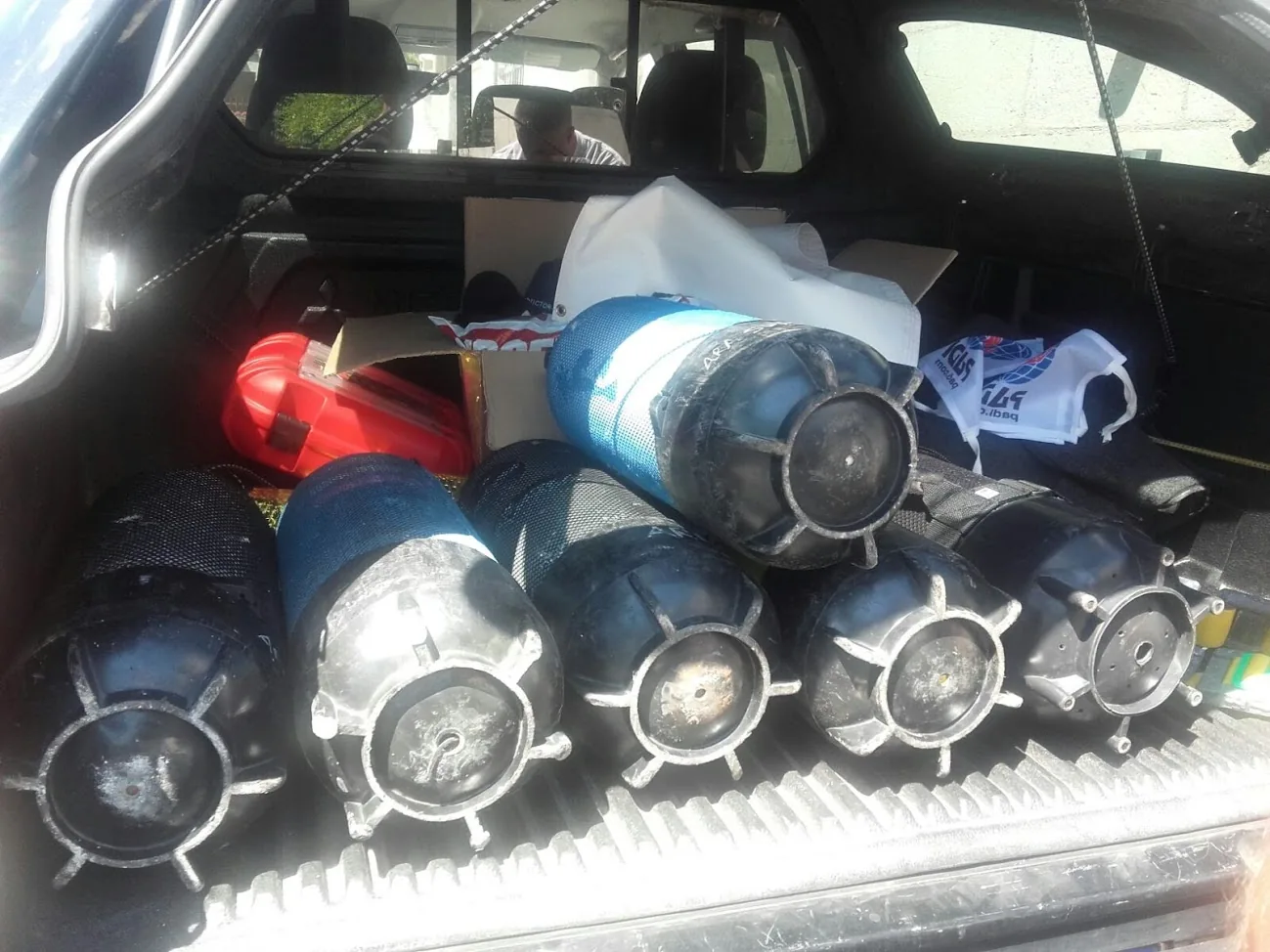
A diver may travel to a dive site carrying cylinders filled with air or nitrox, emergency oxygen or argon for a drysuit. The original article explained that a private individual carrying cylinders for personal recreational use generally benefits from exemptions that do not apply to a commercial carrier.
Exemption does not remove the duty to act safely. Cylinders should be secured so they cannot roll, slide or become projectiles during braking or a collision. They should normally be placed horizontally or restrained in a purpose-built rack, with the valve protected. Good ventilation is important, particularly where oxygen-rich gases are carried. Do not smoke in or near the vehicle.
In a company vehicle
Commercial transport is subject to additional documentation, quantity limits, labelling, training and equipment requirements. The article referred to ADR thresholds and transport documents used by diving businesses. The precise obligations depend on the gas, total quantity, purpose of transport and national implementation.
General checks
- secure every cylinder against movement;
- protect valves and regulators from impact;
- maintain ventilation;
- keep ignition sources away from oxygen-rich gases;
- confirm that the cylinder is within its required inspection and test period;
- carry any documents required for the specific transport operation.
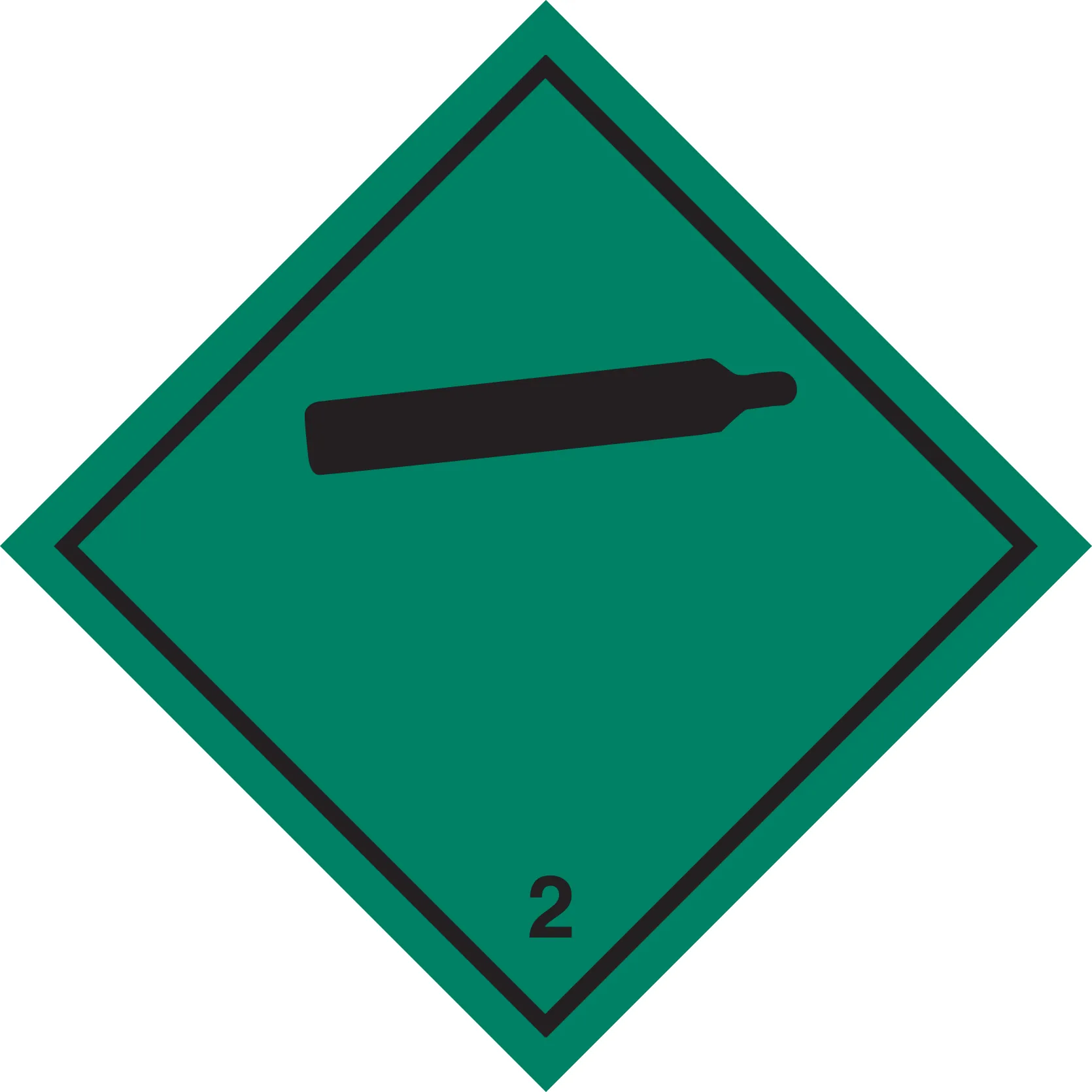
Under ADR, a filled scuba cylinder is a pressure receptacle containing a Class 2 gas. Personal recreational carriage may be exempt from many commercial provisions, but safe loading and current legal compliance remain essential.