This page is an English translation of the original Italian article. The original publication date and historical context have been preserved.
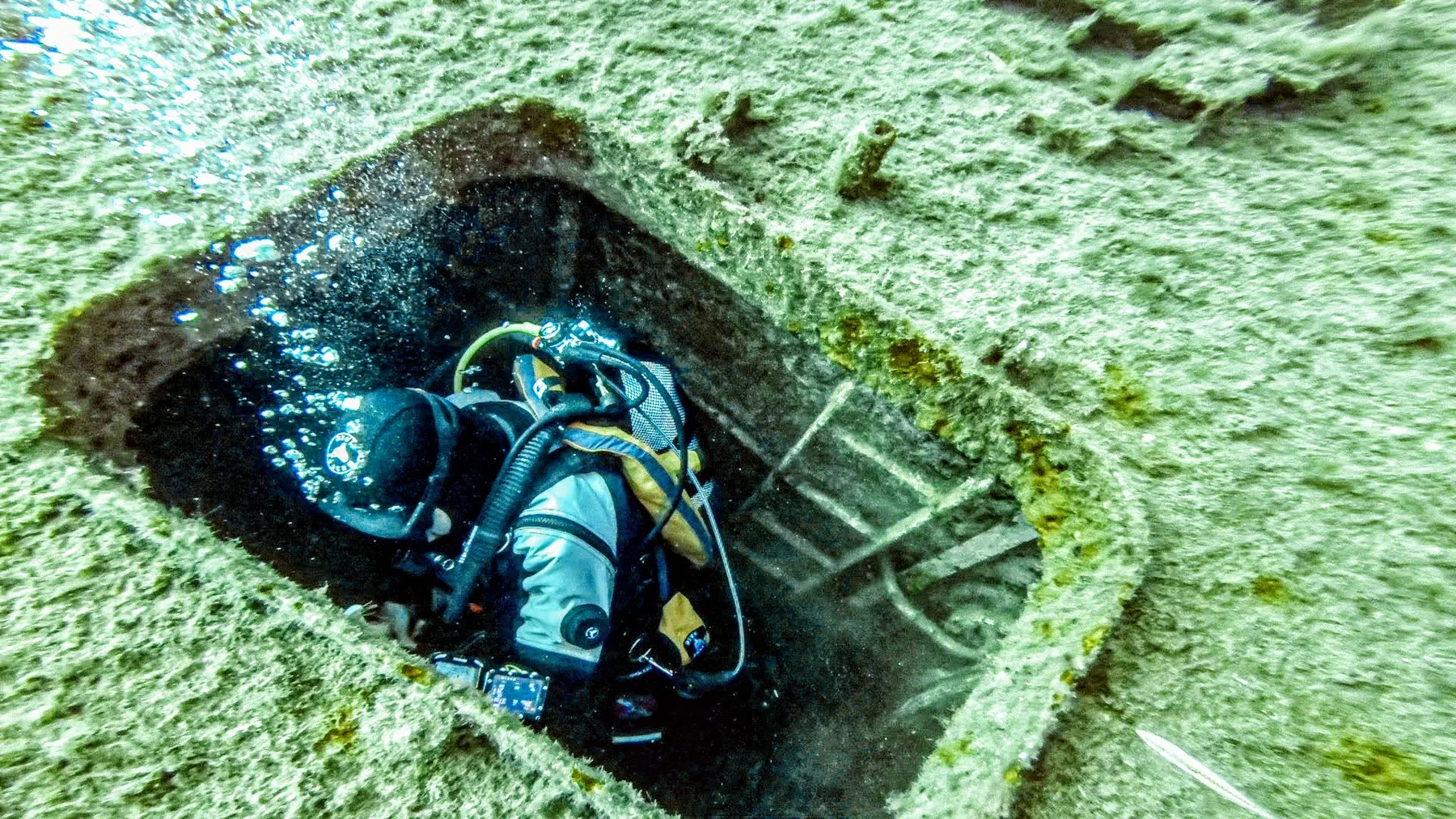
Many details of diving are difficult to learn from a written manual alone. They are demonstrated during courses, copied from experienced divers and passed on through practice. Beyond the formal skills, diving contains countless small habits that can make an experience easier, more comfortable and sometimes safer.
1. Wet the cylinder band
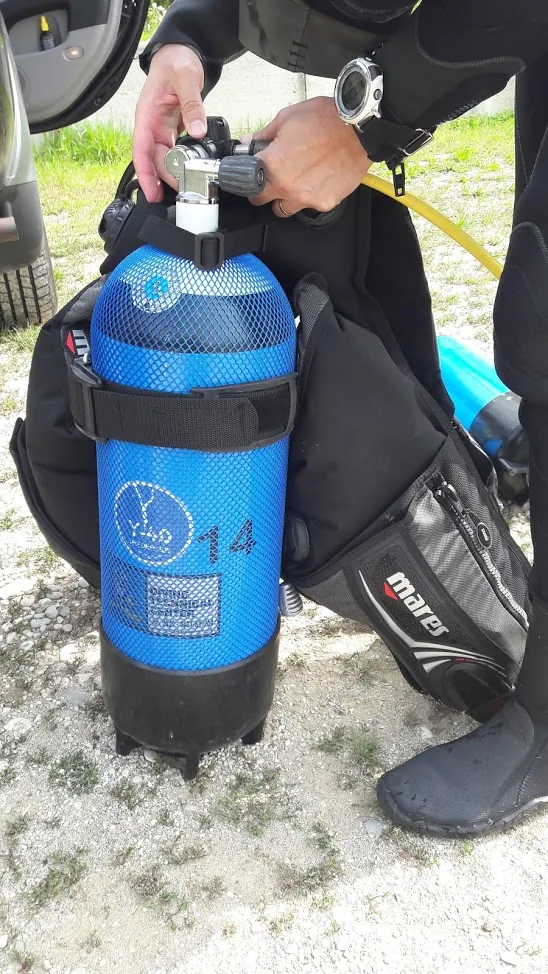
Wetting a fabric camband before tightening it can improve its grip on the cylinder and reduce the chance of the band loosening as it becomes saturated. It is not always practical when equipment is assembled far from the water, but it is a useful habit when possible.
2. Do not overtighten a yoke screw
A yoke first stage needs to be secure, but forcing the screw excessively does not improve the seal. Once the valve is opened, pressure helps seat the O-ring. Overtightening can make the regulator difficult to remove after the dive.
3. Do not overtighten the mask strap
The strap keeps the mask positioned, but pulling it excessively tight does not guarantee a better seal. Water pressure helps hold the mask against the face. A strap that is too tight can distort the skirt, create leaks and leave an uncomfortable mark.
4. Avoid rubbing the inside lens with your fingers
Skin oils can be transferred to the lens and encourage fogging. Use an appropriate cleaning method and a suitable defogging product instead.
5. Know your valve position
The old practice of opening a valve fully and then turning it back half a turn has long been debated and is generally no longer recommended as a routine. The important point is that the valve must be fully open and verified during the buddy check. Use a clear, current procedure so nobody mistakes a partly closed valve for an open one.
6. Pressurise regulators gently
Open the cylinder valve slowly. A sudden pressure surge is unnecessary and places stress on components. Some divers briefly hold the second-stage purge while the system begins to pressurise, then release it as the intermediate pressure stabilises.
7. Rinse regulators correctly
When possible, rinse regulators while the system is still pressurised, or ensure the dust cap is dry and securely fitted before rinsing. Do not press the purge button while an unpressurised regulator is submerged, because that can allow water to enter the first stage.
Those were seven of the practical habits I had collected. Every experienced diver has others, and sharing them responsibly is part of the culture of diving.