Originally published on 28 July 2023 and transferred from the original BusaBoy blog in 2026.
Diving medicine changes because diving changes. We have better monitoring, better incident reporting, more research and a wider population of recreational divers than the early pioneers of the sport ever had. That does not mean every medical question now has a simple answer.
Diving puts unusual demands on the body
Pressure changes affect gas spaces in the ears, sinuses and lungs. Inert-gas exposure creates decompression considerations. Immersion changes circulation. Cold, exercise, stress and breathing-gas density can all matter as well. Dive medicine exists because the underwater environment combines these factors in ways ordinary sport does not.
Fitness to dive is individual
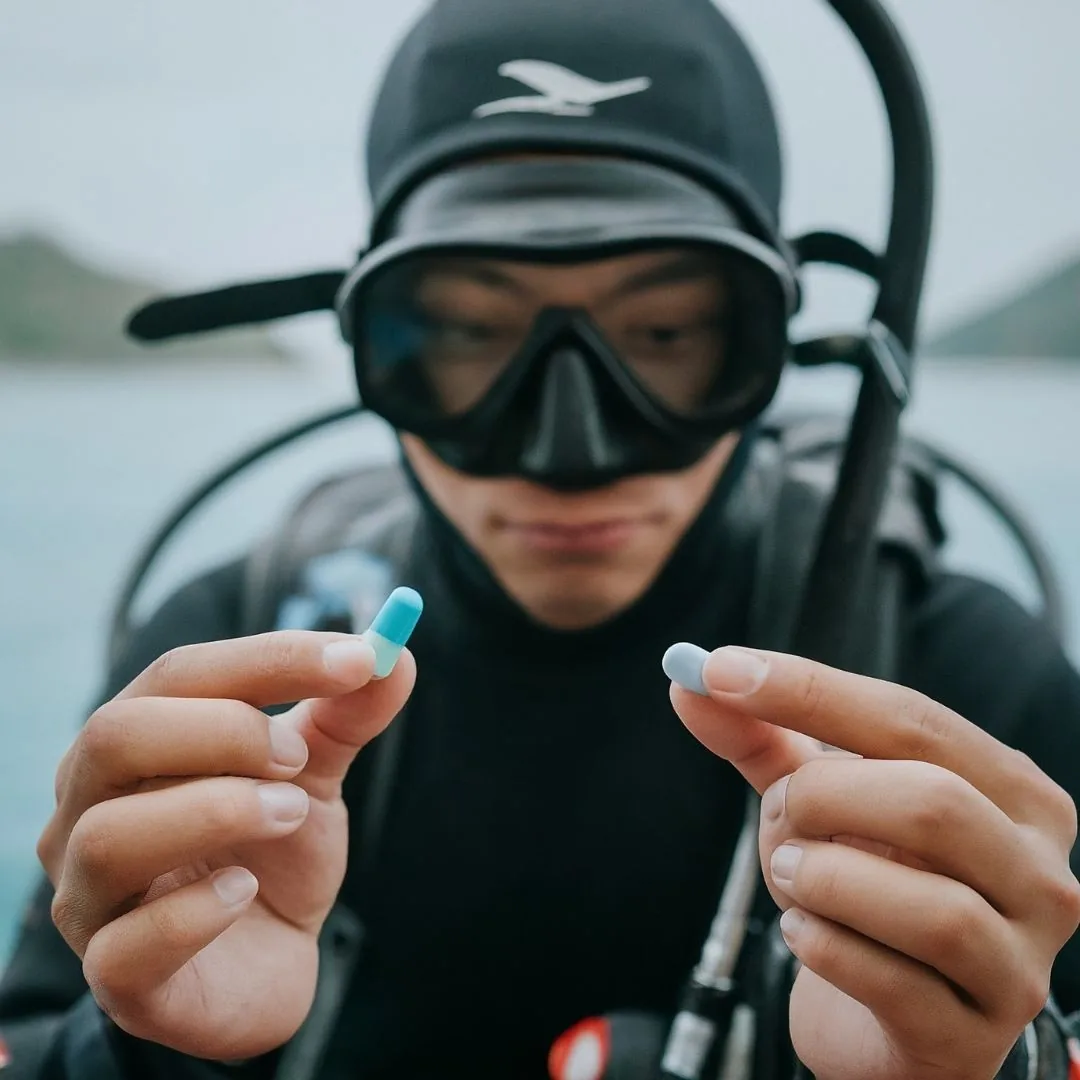
Age, medication, respiratory conditions, cardiovascular health, previous surgery and many other factors can change the medical discussion. A diving instructor can recognise a reason to stop training or request medical clearance, but that is not the same as diagnosing whether somebody is fit to dive.
When a medical question matters, the useful answer comes from a clinician who understands diving medicine and has the diver’s actual history.
Hyperbaric medicine remains important, but it is not the whole subject
Recompression and hyperbaric oxygen are central to the management of some diving injuries, particularly decompression illness. But dive medicine also includes prevention, fitness assessment, ear and sinus problems, respiratory issues, thermal stress and the investigation of incidents that never require a chamber.
Computers improved information, not biology
Modern computers can track detailed profiles and apply sophisticated decompression models, but they do not measure whether an individual diver will develop decompression sickness. The model is still a model. Personal condition, workload, thermal stress and other factors remain part of the real dive.
The useful change is better judgement
The biggest improvement is not one new treatment or one new algorithm. It is the gradual move away from simple rules such as “inside the table means safe” toward a more realistic understanding of risk, individual variation and the importance of appropriate medical advice.
This article is general information, not medical guidance. If a condition, symptom or medication raises a fitness-to-dive question, that question belongs with a suitably qualified diving-medicine professional.