Many underwater problems begin before the diver enters the water. Weighting, gas analysis, equipment checks, streamlining and mental preparation can determine how the dive develops.
Many underwater problems begin on the surface.
By the time a diver enters the water, the equipment has already been assembled, the gas selected, the weights chosen and the plan discussed. If those decisions are poor, the dive begins with unnecessary disadvantages.
The best underwater problem-solving technique is often preventing the problem before the dive.
Incorrect weighting
One of the most common issues is excessive weight.
Over-weighting may make the initial descent feel easier, but it requires more air in the BCD or drysuit to compensate. That can increase drag, worsen trim and make buoyancy changes more difficult to control.
It may also encourage a head-up, feet-down position and increase physical effort and gas consumption.
Under-weighting creates different problems, especially near the end of a dive when the cylinder is lighter. The solution is not simply “less weight.” It is the correct weight for the diver, exposure protection, cylinder and configuration.
A proper weight check should be conducted with the complete equipment configuration and appropriate consideration for the gas remaining near the end of the dive.
Skipping the buddy check
Divers sometimes treat the pre-dive safety check as something only students need.
That is a mistake.
The buddy check is the final opportunity to find a loose cylinder band, incorrectly routed release, inaccessible alternate air source, disconnected inflator, closed or insufficiently opened valve, missing weight release information or unfamiliar equipment.
PADI teaches the BWRAF pre-dive safety check as a fundamental accident-prevention routine before diving.
A good buddy check is not one diver quickly inspecting the other. Both divers should understand how each other’s equipment works, where gas is available and how weights are released.
Too much dependence on valet diving
Another problem I see is divers becoming so used to valet diving that they no longer know how to assemble their own equipment properly.
That is not good.
Assistance can be useful in some holiday environments, but a certified diver should still understand how the equipment goes together, how it is checked and how it is prepared for the planned dive.
In my view, if a diver cannot assemble the equipment or does not understand the configuration, that is not real diving.
Independent diving starts before entry.
Trusting a Nitrox label without analysing the gas
When diving with enriched air, the diver should not rely blindly on a label, verbal statement or someone else’s analysis.
The diver using the cylinder must know the oxygen percentage, understand the corresponding maximum operating depth and ensure the dive computer is set correctly.
PADI’s enriched-air documentation explicitly includes the diver’s personal analysis, recorded oxygen percentage, pressure and calculated maximum depth.
Gas analysis is not theatre. It is part of accepting personal responsibility for what you are about to breathe.
Poor streamlining
Dangling hoses, unsecured gauges and loosely attached accessories are more than an aesthetic problem.
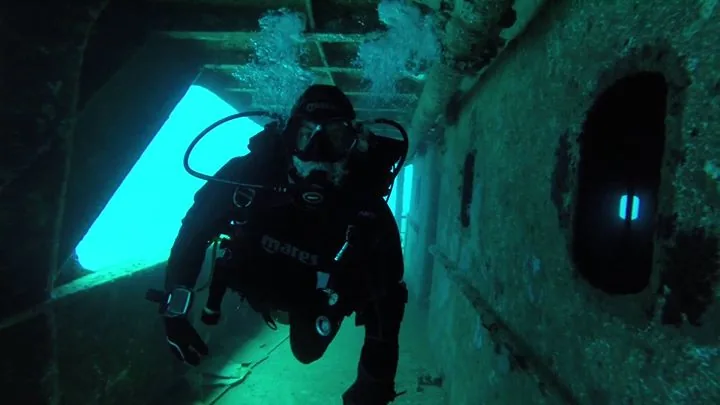
They can catch on wreckage, lines or rocks. They can strike the bottom, damage marine life, become difficult to locate in an emergency or create unnecessary drag.
Before entering the water, every item should have a clear purpose and a secure position.
Streamlining does not mean copying someone else’s configuration without understanding it. The correct arrangement depends on the type of diving, but the principle remains the same: equipment should be accessible, protected and controlled.
Mental preparation
A diver can be physically equipped but mentally unprepared.
Rushing, distraction, uncertainty about the plan or anxiety about a skill can increase task loading before the dive even begins.
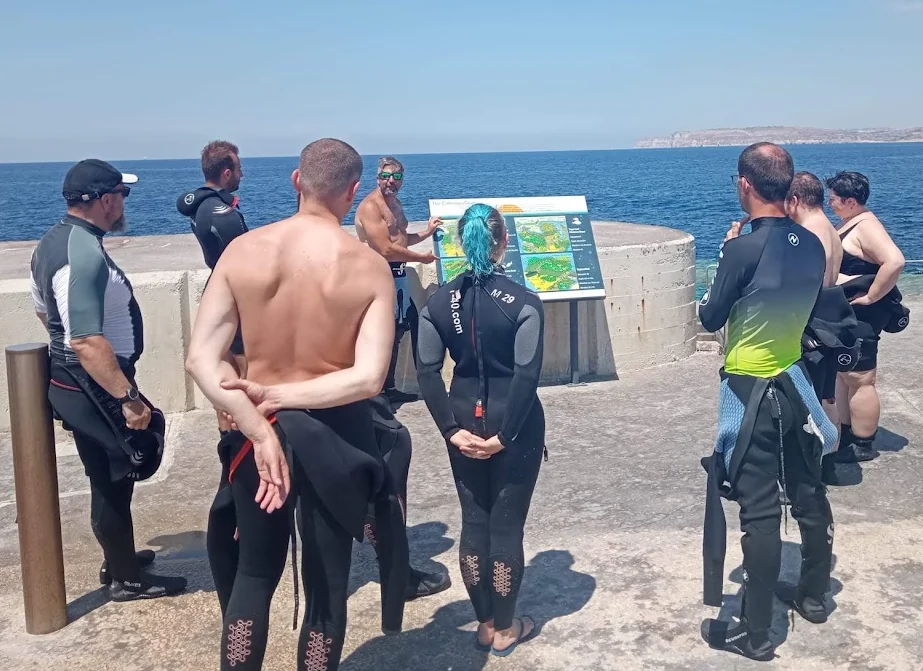
I encourage divers to visualise the main stages: entry, descent, route, maximum depth, turn point, ascent, safety stop and exit. They should also understand the response to likely changes such as current, separation or an aborted descent.
PADI’s “Thinking Like a Diver” approach emphasises planning, situational awareness, task-loading management and maintaining good habits.
Visualisation does not replace practical preparation, but it helps organise attention.
The final pause
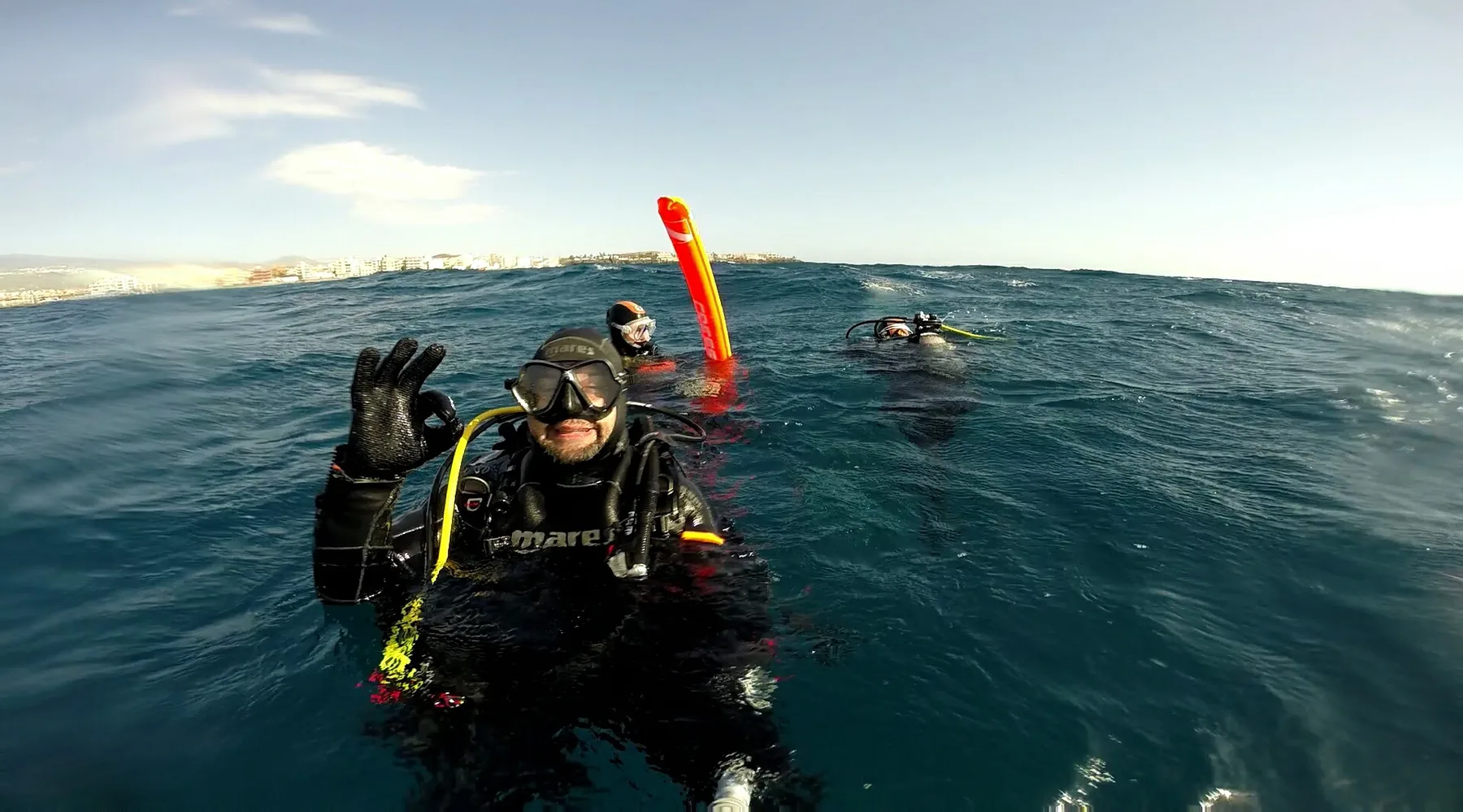
Immediately before entering, I like one final moment of calm.
Is the gas on and confirmed by breathing while monitoring the pressure gauge? Is the computer active and correctly set? Is the mask ready? Are the fins accessible? Does everyone understand the entry and regrouping procedure?
A few seconds spent checking can prevent several minutes of confusion underwater.
The dive begins before the water. That is where many of its risks can still be removed easily.