
Why aluminium S80s fit my sidemount logistics and trim.
Why aluminium S80s fit my sidemount logistics and trim. Cylinders look simple from the outside, but their material, rigging, buoyancy and handling can change the entire feel of a sidemount dive.
What changes in the real configuration
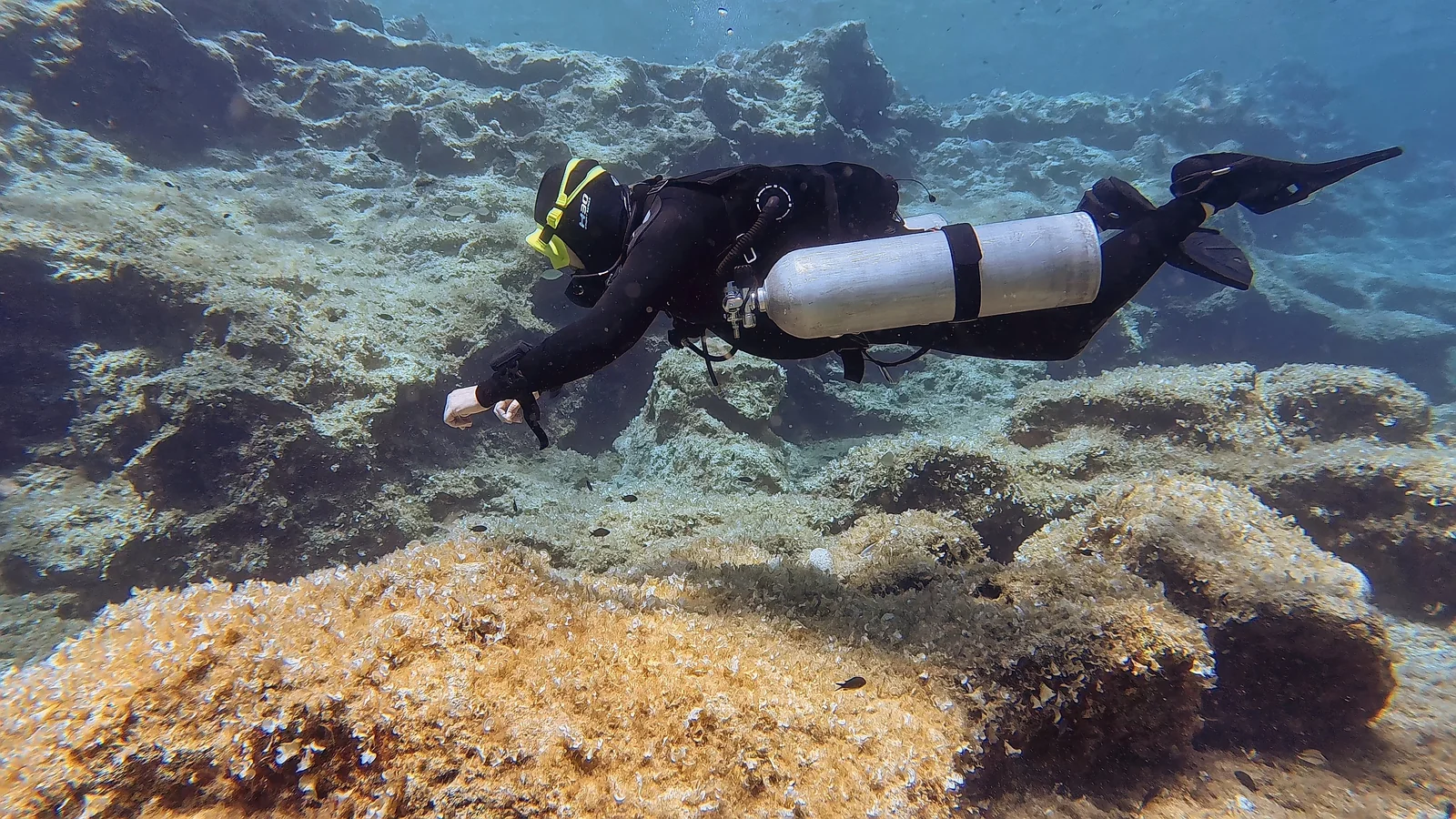
I use MES aluminium S80 cylinders, roughly 11.1 litres, in sidemount. Underwater they feel easy to manage and a second cylinder does not create the kind of side-to-side weight penalty people may imagine from seeing them on land.
They are heavy to carry out of the water and can require more ballast than steel cylinders, especially with thin exposure protection. Their changing buoyancy as pressure drops is part of the configuration, not a surprise to be ignored.
The practical point
The cylinder is therefore not a standalone purchase. It is part of a buoyancy, trim, transport and gas-management system.
Why the S80 keeps coming back into my plans
The aluminium S80 is a familiar sidemount cylinder around the world and its underwater behaviour works well with the kind of configuration I like. Mine are MES S80s with Sanosub valves. I can use one for a simple recreational dive or two for independent gas supplies on a more demanding dive without changing the overall logic of the harness.
The trade-off is clear: they are not weightless on land, and because aluminium becomes less negative and can become positive as gas is used, I need to manage cylinder position and separate ballast rather than pretending the cylinder will behave identically from 200 bar to reserve.
A cylinder is part of the trim system
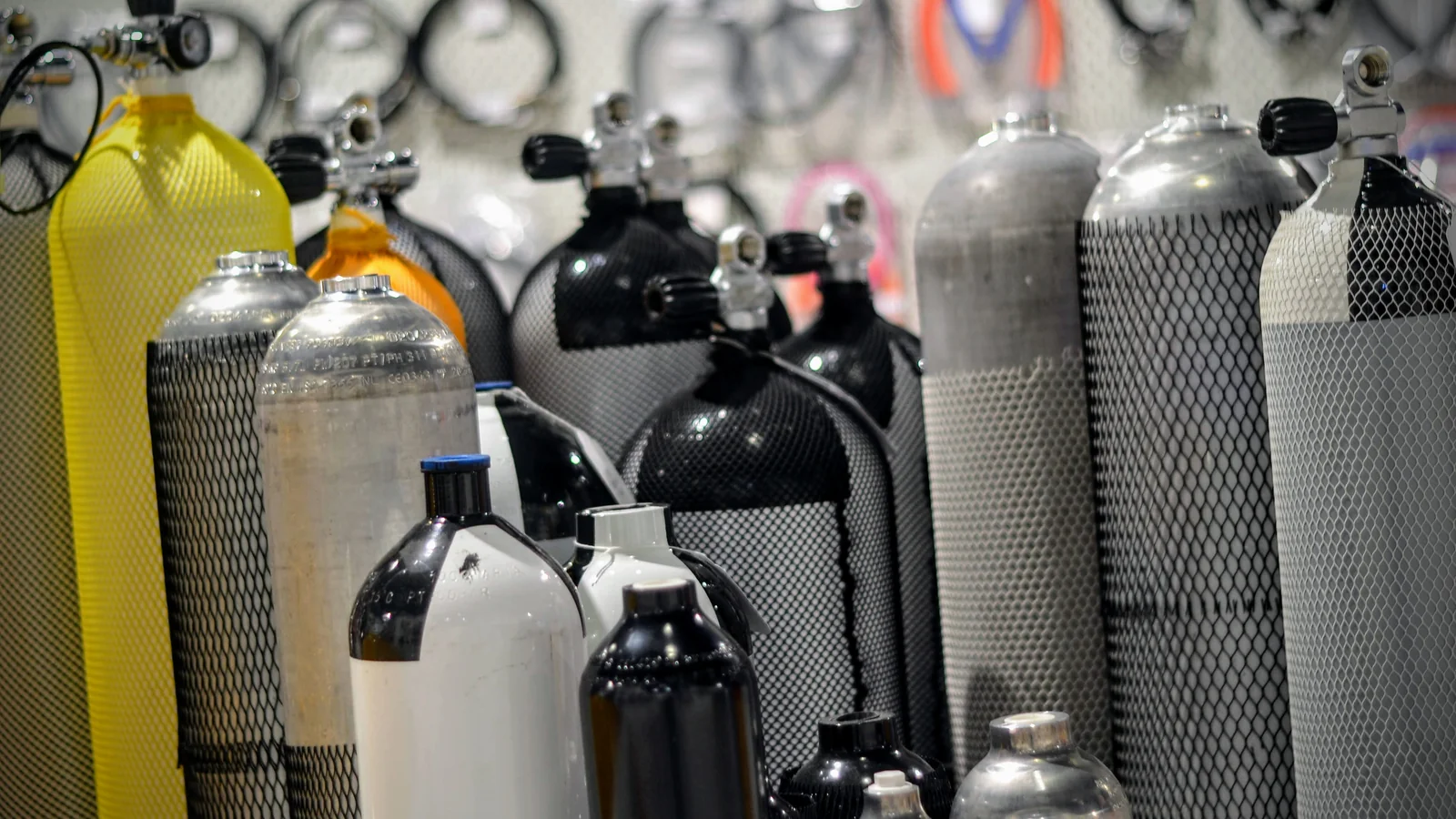
A cylinder is not just a container measured in litres and bar. Material, dimensions, valve, gas mass and attachment points affect how it behaves around the diver. Aluminium S80s are attractive to me in sidemount because underwater they can feel remarkably unobtrusive when positioned correctly. On land they are still substantial pieces of metal, and the way I enter, exit and transport them matters.
As gas is consumed, buoyancy changes. In my own S80 configuration I begin to notice the cylinder wanting to rise around the lower-pressure part of the dive, with roughly 140 bar being a familiar personal cue rather than a universal threshold. That is why the lower attachment can be moved forward as the dive progresses. A different cylinder, valve, rigging system, exposure suit or diver can produce a different result.
Gas markings and valve details are not paperwork
When the dive uses enriched air or decompression gases, the cylinder has to communicate clearly. I keep writable tape and a marker in my technical box so analysed oxygen content and identification can be recorded. The numbers only become useful when the diver understands what they mean, including maximum operating depth and the plan that goes with them. My wider discussion of Nitrox and gas, depth and decompression mathematics covers the concepts behind those labels.
Aluminium versus steel is a system choice
Steel can reduce separate ballast and may stay negative throughout the dive; aluminium can be easier to manage in some sidemount geometries and is widely available in travel destinations. Neither material wins in isolation. The question is how the cylinder behaves with the diver’s suit, weighting, harness, gas plan and exit logistics. That is why I prefer to talk about a complete configuration rather than declaring one material universally superior.
What I watch during the dive
I keep the cylinder behaviour in the same mental picture as pressure, trim and the route. If a lower end begins to float, I correct the attachment rather than waiting until the cylinder is under my armpit. If a gas label, valve or clip creates uncertainty before entry, I solve it on land. Cylinder management is continuous, not a one-time rigging exercise.
Explore related topics
This article stands on its own, but these pages go deeper into the parts that connect directly with it: