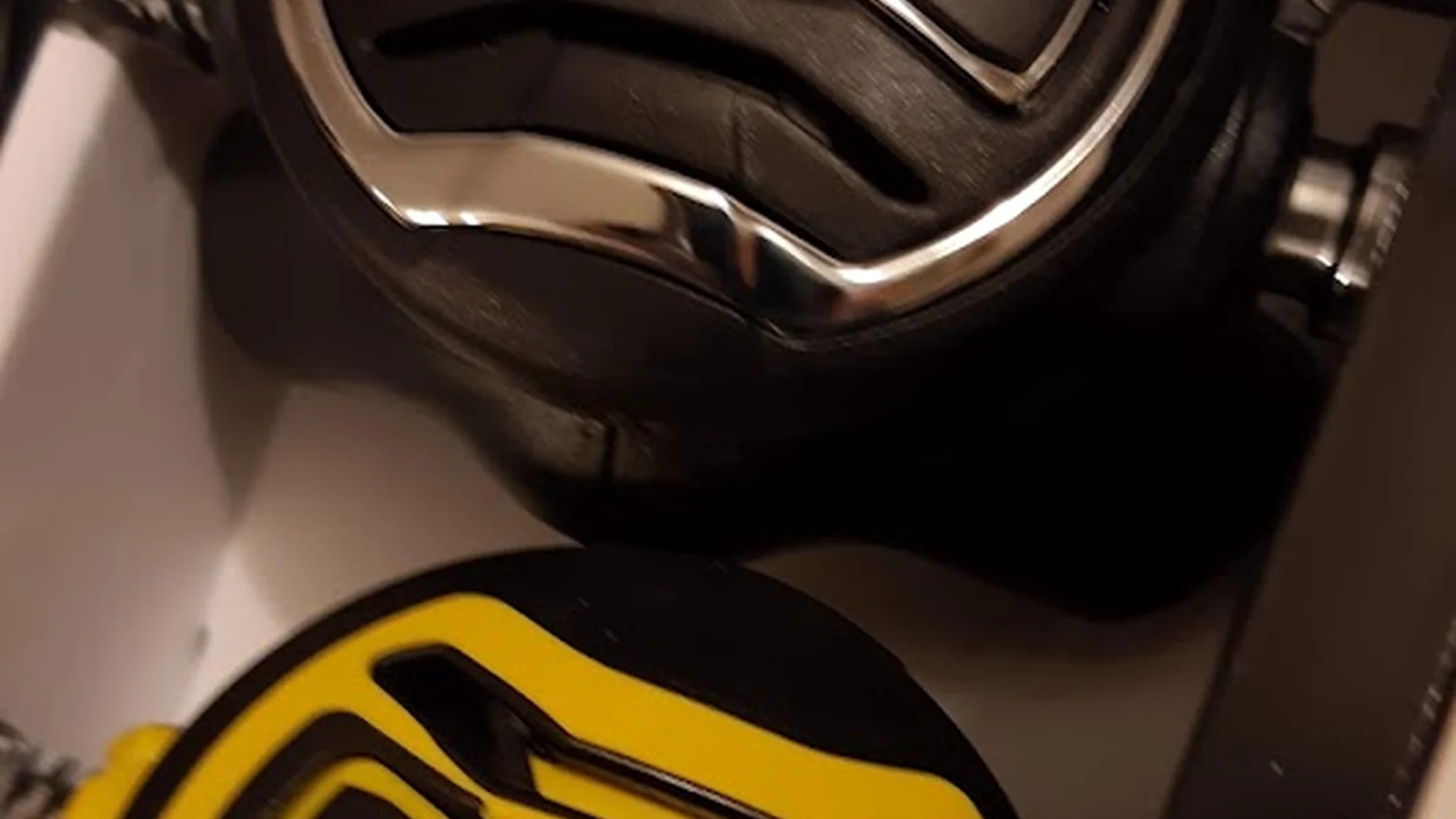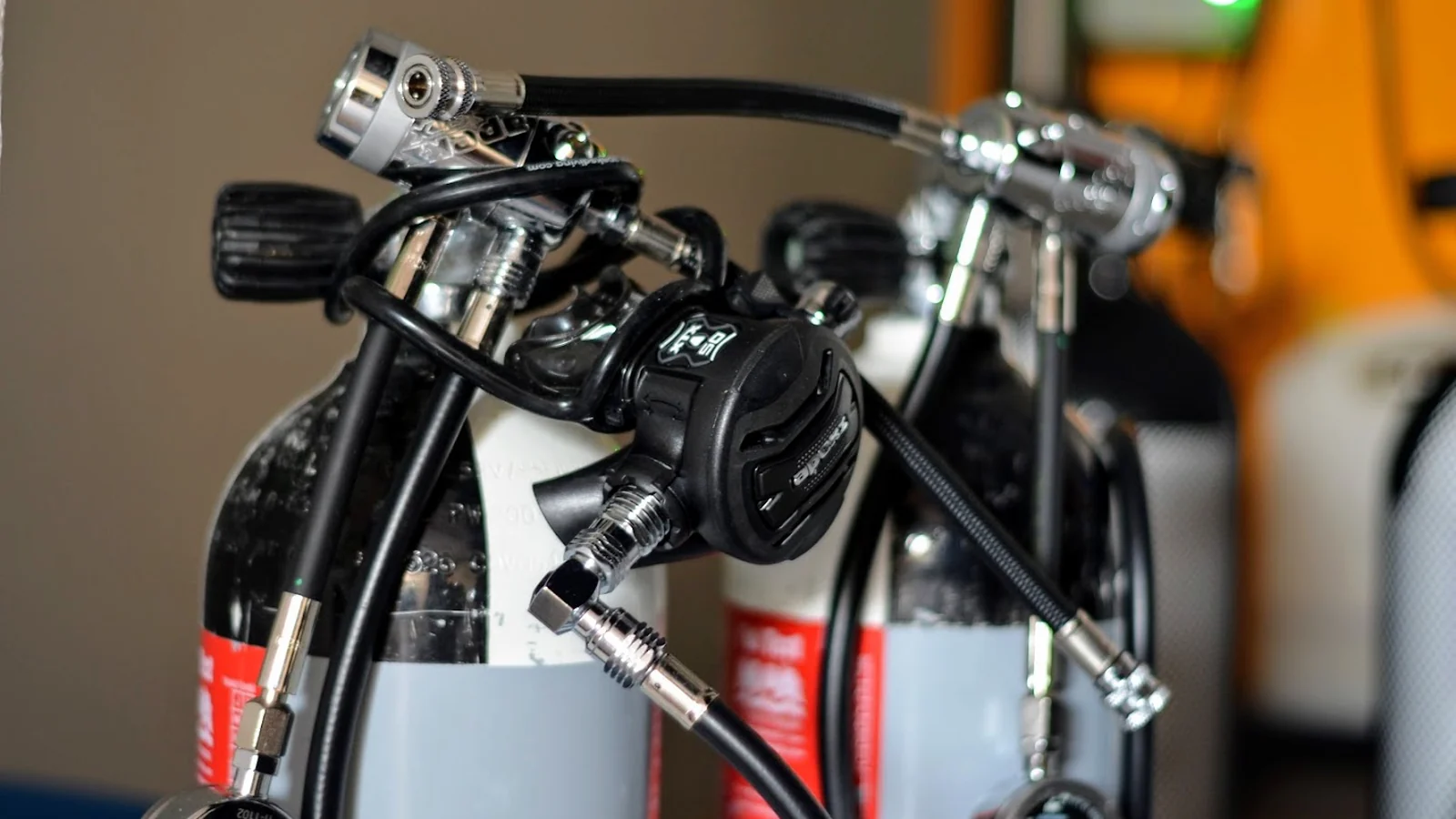

Why Apeks DST first stages and XTX50 second stages became the backbone of my sidemount and technical regulator configurations, including routing, reliability, transmitters and mechanical backup.
My long-term regulator choice for recreational, sidemount, stage and technical use. Regulators are one of the places where I want the equipment to become boring: predictable breathing, clean routing and no drama.
What I value in use
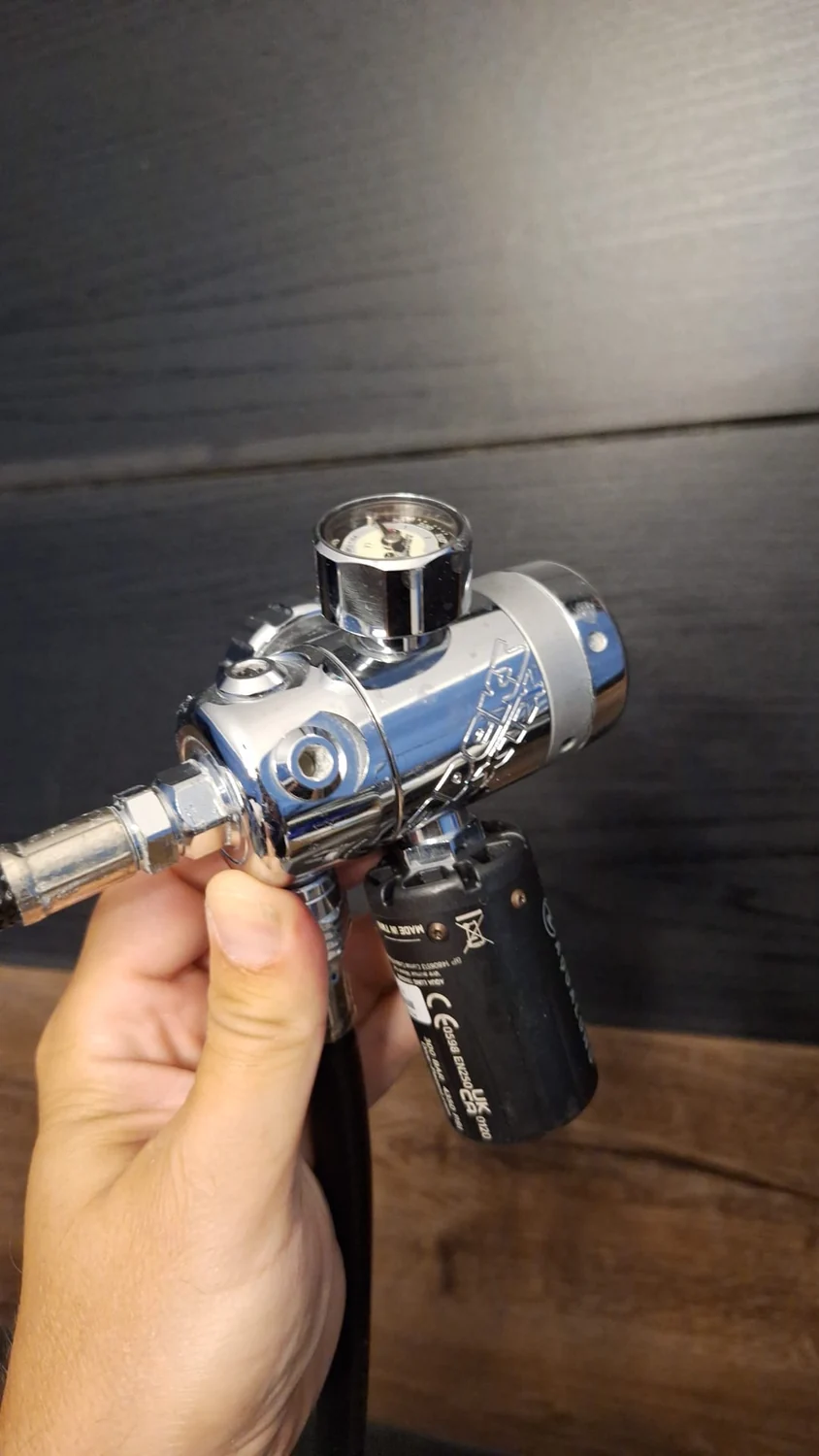
The DST first stage gives me the routing flexibility I value through its rotating turret. Apeks currently lists four medium-pressure ports on that turret, and a five-port DIN version is also available. That same architecture can support a recreational setup, a stage, a technical backmount setup or my current sidemount routing.
At depth, what I value most is breathing performance that remains predictable and a long record of not giving me a story to tell. I also like the design, but reliability and routing are the reasons it stays in the system.
The practical point
My preference is personal, but the criteria are transferable: breathing performance, routing, serviceability, reliability and a configuration that still makes sense when something goes wrong.
Why DST + XTX50 became my default architecture
I have used Apeks in recreational, stage, technical and sidemount roles because the DST first stage can be routed in many ways without becoming an improvised collection of adapters. The rotating turret and optional fifth-port arrangement are especially useful when hoses need to leave the first stage in different directions. In my current sidemount setup the geometry lets inflator and second-stage hoses sit naturally while the transmitters remain protected.
I describe Apeks as “no compromise” in my own equipment vocabulary, but the statement I can defend most strongly is simpler: they have been boringly reliable for me and pleasant to breathe from, including at depth.
My regulator priority is boring reliability
A regulator is one of the few products where the best long-term story may be that nothing dramatic happened. My Apeks regulators have given me years of uneventful breathing. They have not provided the cinematic failure story that makes a good anecdote, and I consider that a compliment. At depth I want the second stage to breathe predictably, the hoses to stay where they belong and the first stage to tolerate the routing I ask of it.
The DST architecture is particularly useful to me because the rotating turret gives the medium-pressure hoses freedom to find a natural route. In sidemount I can arrange second-stage, inflator and drysuit hoses without forcing sharp bends. Apeks documents four medium-pressure ports on the turret, two high-pressure ports, and a fifth-port option/variant that makes end-on hose routing possible. The XTX50 second stage is pneumatically balanced and includes user controls for breathing resistance and venturi assistance. Those specifications matter because they support configuration choices; they are not a substitute for correct servicing or training.
Pressure information: digital primary, mechanical fallback
My current sidemount system uses wireless transmitters as the normal pressure display because I can see both cylinders at the wrist. Small button gauges remain at the first stages. They are not a magical backup for every possible regulator or cylinder failure; they are an independent mechanical way of reading cylinder pressure if the electronic pressure information disappears. That distinction is important. The full reasoning is in my digital sidemount gas-management configuration.
Routing is a safety and ergonomics issue
A hose that is technically connected but constantly catches, bows away from the body or has to be fought every time I move is not good routing. Good routing keeps controls accessible, protects vulnerable components and makes normal actions repeatable. I want to be able to identify what I am breathing, reach what I need and avoid adding movements simply to read information or tidy the system.
What I would tell a diver shopping for regulators
Do not begin with a brand argument. Ask whether the first stage can be routed cleanly for the intended configuration, whether the second stage breathes and adjusts in a way you understand, whether local service support exists, and whether the connection/pressure rating matches the cylinders you will actually use. Then judge reliability over time, not from one perfect pool breath.
Serviceability is one reason I draw a sharp distinction between a supported scuba regulator and some mini scuba systems with proprietary or poorly supported regulator assemblies. A life-support device needs a realistic maintenance path, not just an attractive purchase price.
Current manufacturer context
Apeks lists the DST as an over-balanced diaphragm first stage with environmental sealing, a rotating turret carrying four medium-pressure ports and two high-pressure ports; five-port DIN versions/options support additional routing flexibility. The XTX50 second stage is pneumatically balanced with venturi and breathing-resistance controls.
Apeks — XTX50/DST regulator information
Apeks — DST five-port first stage
Explore related topics
This article stands on its own, but these pages go deeper into the parts that connect directly with it: