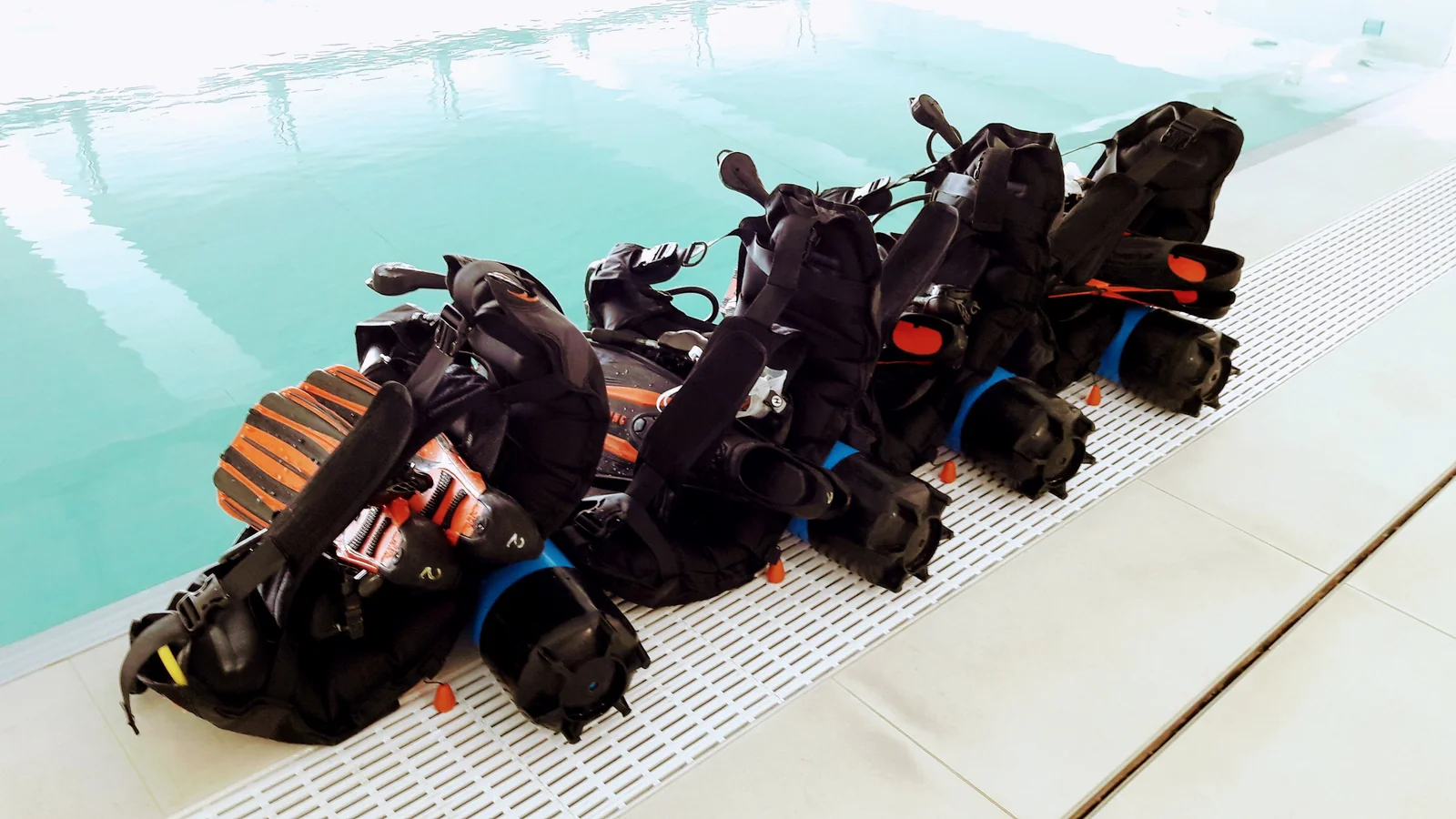
A candid history of BCDs that taught me what I did not want.
A candid history of BCDs that taught me what I did not want. I still use backmount when the dive, the students or the technical plan make it the better tool, but I want the system to stay clean and modular.
Why this setup works for me
My first BCD felt fine until rental equipment and repeated diving gave me a wider frame of reference. I later tried a Mares Hybrid Pro and disliked how its bungee behaviour affected the wing in use.
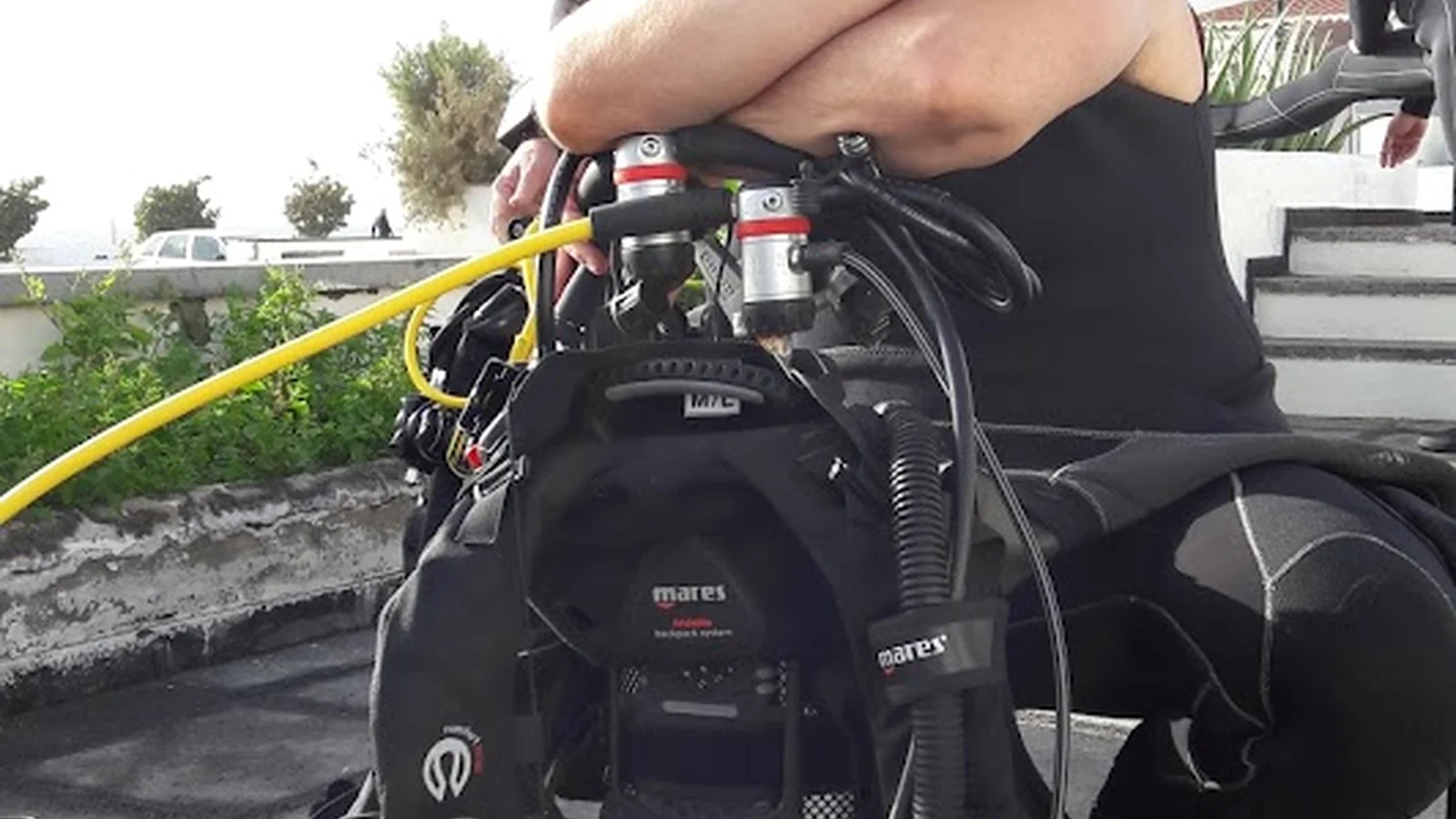
As an instructor I used the Scubapro Hydros Pro because matching a student's general configuration can make demonstrations easier. For my own backmount diving I eventually wanted a steel backplate and a much more minimal system, which led me to the XDeep Zen.
The lesson is that an equipment choice can be appropriate for one job and unsatisfying for another.
The practical point
The configuration earns its place because it stays familiar while the dive changes around it.
My BCD history is a history of changing requirements
My first owned BCD did not teach me that every jacket BCD is bad; it taught me that comfort and configuration matter more than the excitement of owning my own kit. I later had a Mares Hybrid Pro-type system that I disliked in my own use, and I spent time with Scubapro Hydros Pro configurations when teaching because matching the students’ general setup had instructional value.
Eventually, for my own backmount diving, I wanted the simplicity of the XDEEP ZEN. For sidemount I moved through the Stealth 2.0 to the Katana 2. The path matters because the “final” setup was built from comparisons I could only make after diving the earlier ones.
Backmount still has an important job
Preferring sidemount does not make backmount obsolete. Teaching is the clearest example. When a student is learning in a conventional backmount configuration, matching the general architecture makes demonstrations easier to understand. A simple single-cylinder backmount system is also efficient for many recreational dives. For technical work, a modular backplate-and-wing can grow into a twinset platform with stages without forcing me to learn an entirely unrelated harness.
This is where I value the XDEEP ZEN philosophy: a clean harness, a plate that contributes structure and, in my steel version, useful ballast, and a system that can remain simple until the dive actually needs more.
Modularity is valuable only when it is used
There is a temptation to call every configurable system “modular” as if the word itself were an advantage. For me the value appears when one base system can genuinely be adapted for different missions without creating awkward compromises. Moving from a single cylinder to a larger wing and twinset is meaningful because it changes available gas, redundancy and technical-dive capability. Adding a decorative accessory simply because a hole is available is not the same thing.
The mistakes matter
My route to this type of system was not direct. I owned BCDs that were acceptable products but wrong for what I later wanted. I used teaching-oriented equipment because it made sense in that role, and more minimalist equipment when guiding or diving for myself. Those changes are useful context because they show why “best BCD” is the wrong question. The useful question is “best for what?”
The final test is familiarity under load
A backmount system should remain understandable when stages, a thicker suit or a twinset are added. D-rings and releases need to stay where the diver expects them, and the extra capability should not erase access to basic controls. Modularity is valuable because it can preserve that familiarity while changing the mission.
Explore related topics
This article stands on its own, but these pages go deeper into the parts that connect directly with it: