
Why the Zen became my personal backmount platform.
Why the Zen became my personal backmount platform. I still use backmount when the dive, the students or the technical plan make it the better tool, but I want the system to stay clean and modular.
Why this setup works for me
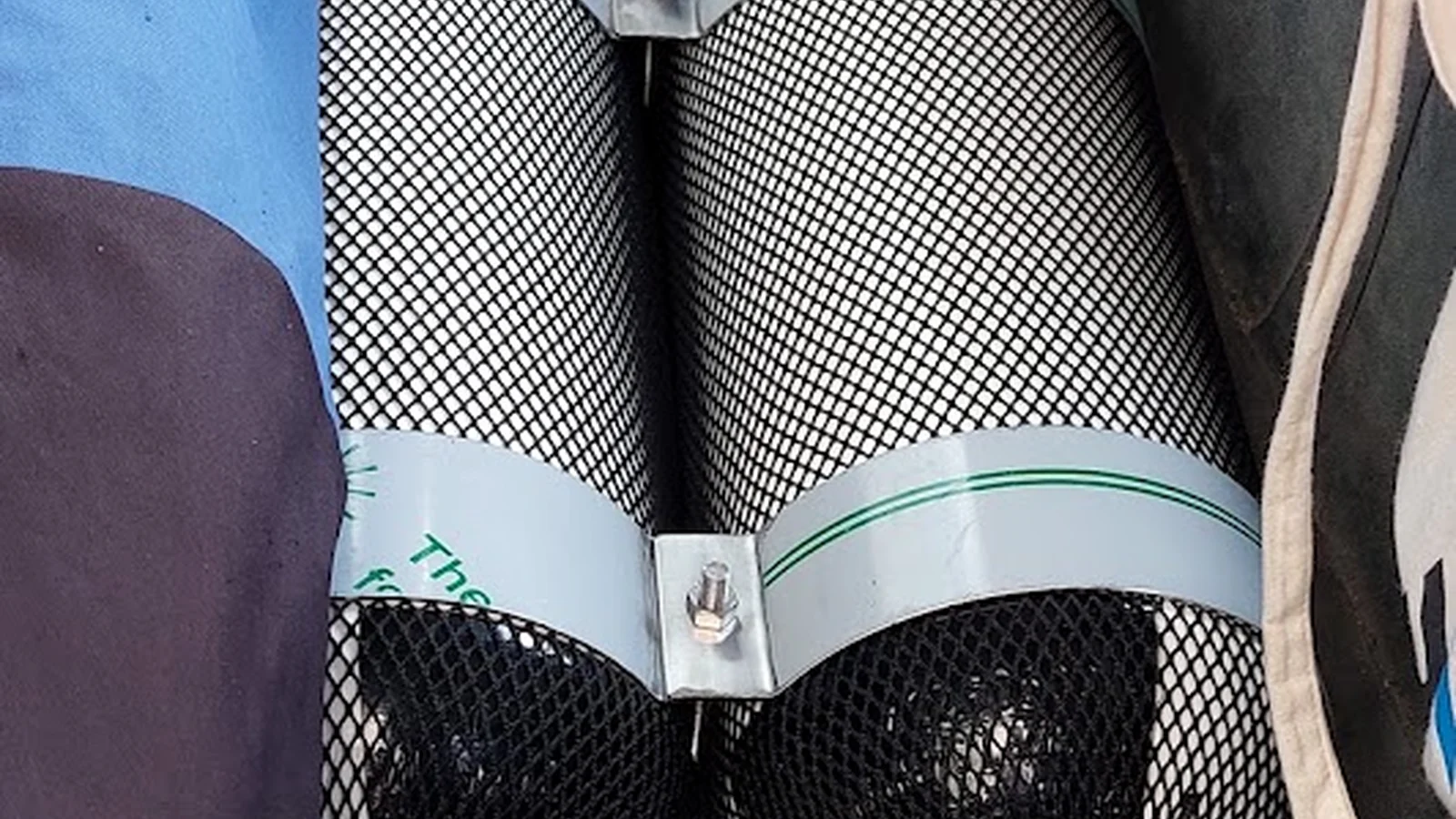
I wanted a backmount setup that felt minimal rather than padded and bulky. The XDeep Zen gives me a steel plate, a clean harness and a modular base that can evolve with the dive.
For personal guiding or backmount diving, I prefer this kind of stripped-down system to the jacket-style BCDs I used earlier in my career. The fact that the wing can be changed also matters when the same philosophy moves toward twinset technical diving.
The practical point
The configuration earns its place because it stays familiar while the dive changes around it.
Why the ZEN fits my backmount side
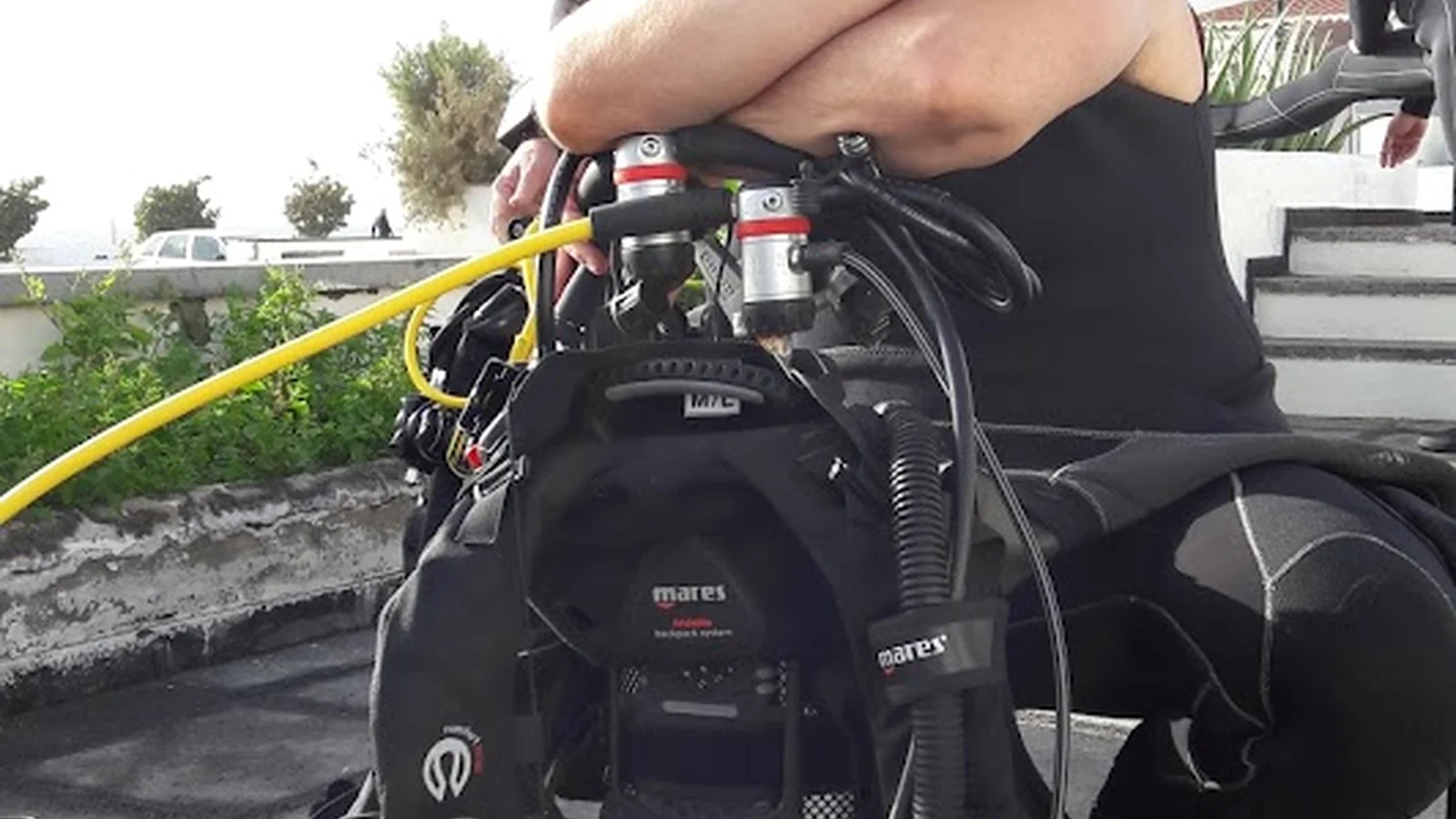
When I am not in sidemount, I still want a backmount system that feels deliberate rather than padded and complicated. My XDEEP ZEN uses a steel plate and clean harness architecture, giving me a compact single-cylinder platform that can be adapted when the dive changes. XDEEP lists the ZEN around a roughly 19 kg-lift wing with aluminium or stainless-steel plate options and compatible weight systems.
What matters to me is that the plate/wing/harness idea is understandable. The wing provides buoyancy, the plate provides structure and sometimes useful ballast, and the harness holds me in the system without needing a sofa around my torso.
Backmount still has an important job
Preferring sidemount does not make backmount obsolete. Teaching is the clearest example. When a student is learning in a conventional backmount configuration, matching the general architecture makes demonstrations easier to understand. A simple single-cylinder backmount system is also efficient for many recreational dives. For technical work, a modular backplate-and-wing can grow into a twinset platform with stages without forcing me to learn an entirely unrelated harness.
This is where I value the XDEEP ZEN philosophy: a clean harness, a plate that contributes structure and, in my steel version, useful ballast, and a system that can remain simple until the dive actually needs more.
Modularity is valuable only when it is used
There is a temptation to call every configurable system “modular” as if the word itself were an advantage. For me the value appears when one base system can genuinely be adapted for different missions without creating awkward compromises. Moving from a single cylinder to a larger wing and twinset is meaningful because it changes available gas, redundancy and technical-dive capability. Adding a decorative accessory simply because a hole is available is not the same thing.
The mistakes matter
My route to this type of system was not direct. I owned BCDs that were acceptable products but wrong for what I later wanted. I used teaching-oriented equipment because it made sense in that role, and more minimalist equipment when guiding or diving for myself. Those changes are useful context because they show why “best BCD” is the wrong question. The useful question is “best for what?”
The final test is familiarity under load
A backmount system should remain understandable when stages, a thicker suit or a twinset are added. D-rings and releases need to stay where the diver expects them, and the extra capability should not erase access to basic controls. Modularity is valuable because it can preserve that familiarity while changing the mission.
Current manufacturer context
XDEEP describes the ZEN around a 19 kg-lift wing and plate/harness options in aerospace aluminium or stainless steel, with compatible weight-system choices. My own system uses a steel plate because that combination suits my weighting and the modular backmount role I want.
XDEEP — ZEN single-tank system
Explore related topics
This article stands on its own, but these pages go deeper into the parts that connect directly with it: