This page is an English translation of the original Italian article. The original publication date and historical context have been preserved.
One of the objections I often heard from people who had never tried scuba diving was: “I suffer from claustrophobia.”
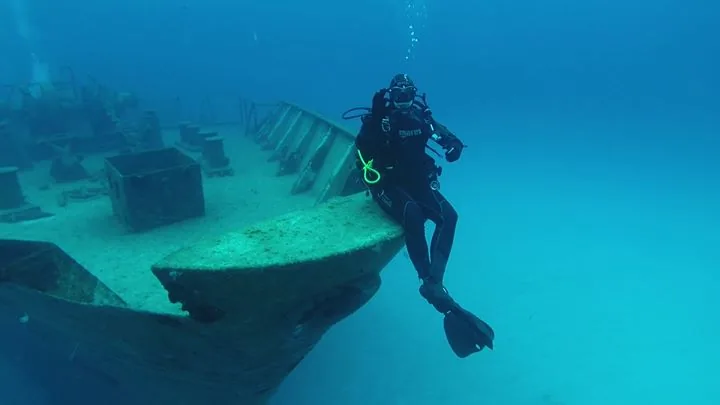
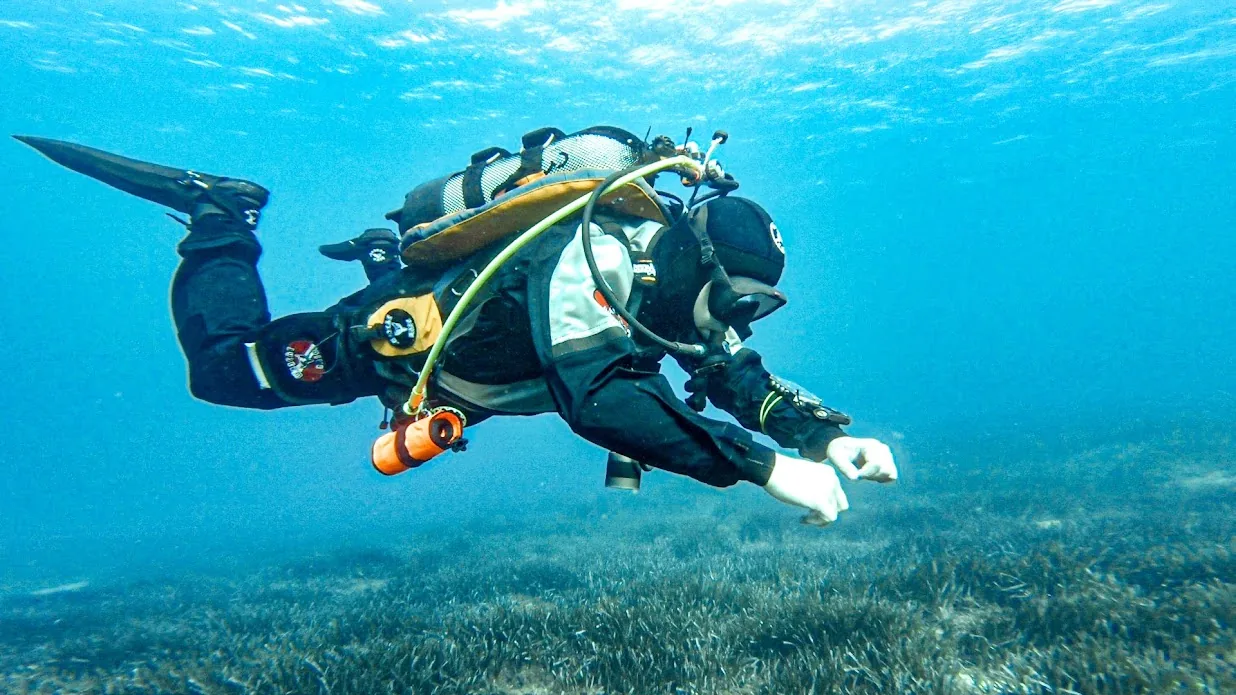
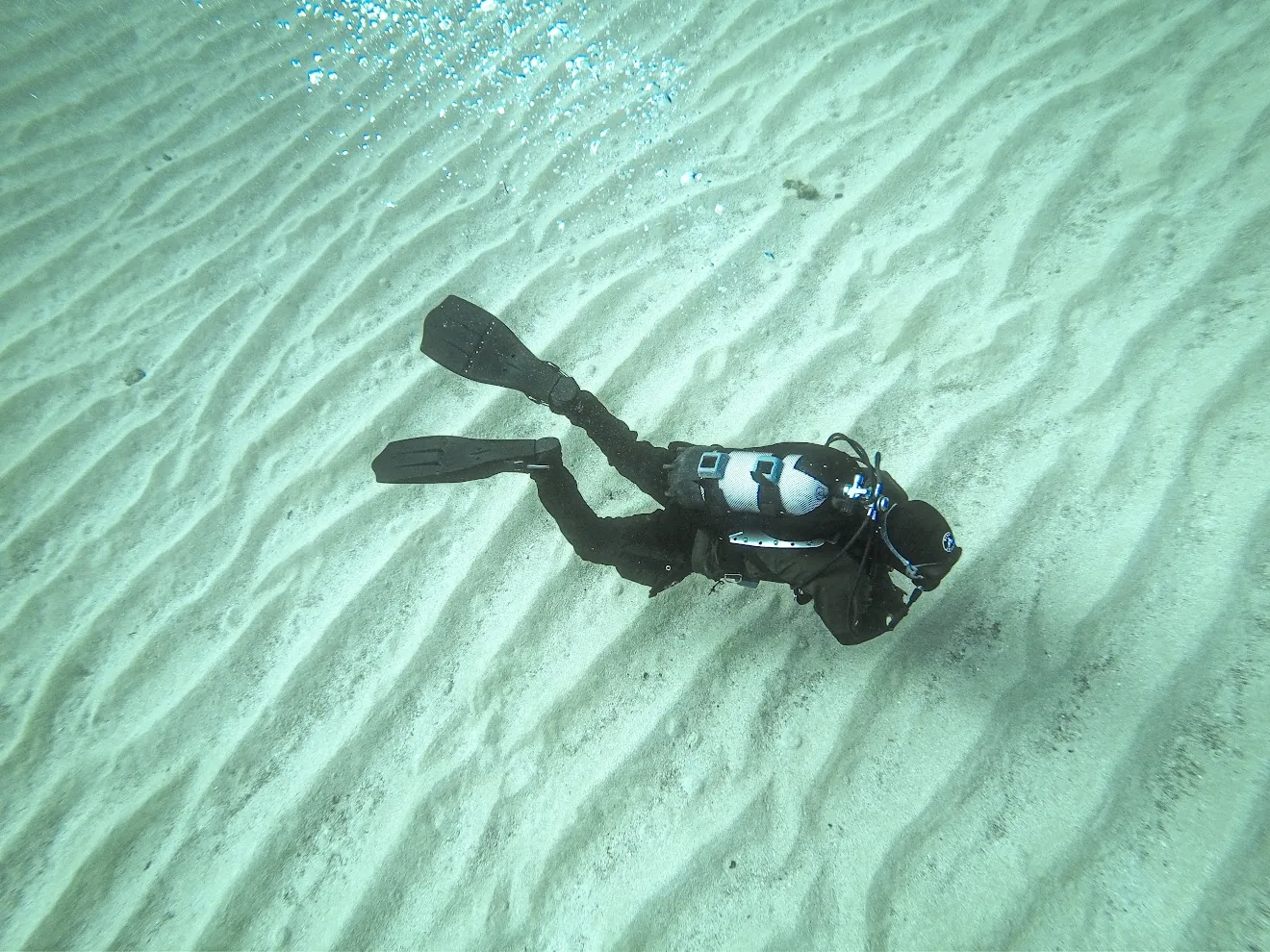
Claustrophobia is a fear of enclosed spaces. Open-water scuba diving, in clear conditions and away from overhead environments, can feel very different: the diver is suspended in a large, open space with freedom of movement in three dimensions.
Wreck penetration, caves, low visibility and restrictive equipment can certainly trigger anxiety and should never be entered without the appropriate training, experience and personal comfort. That is not the type of introductory dive I was describing.
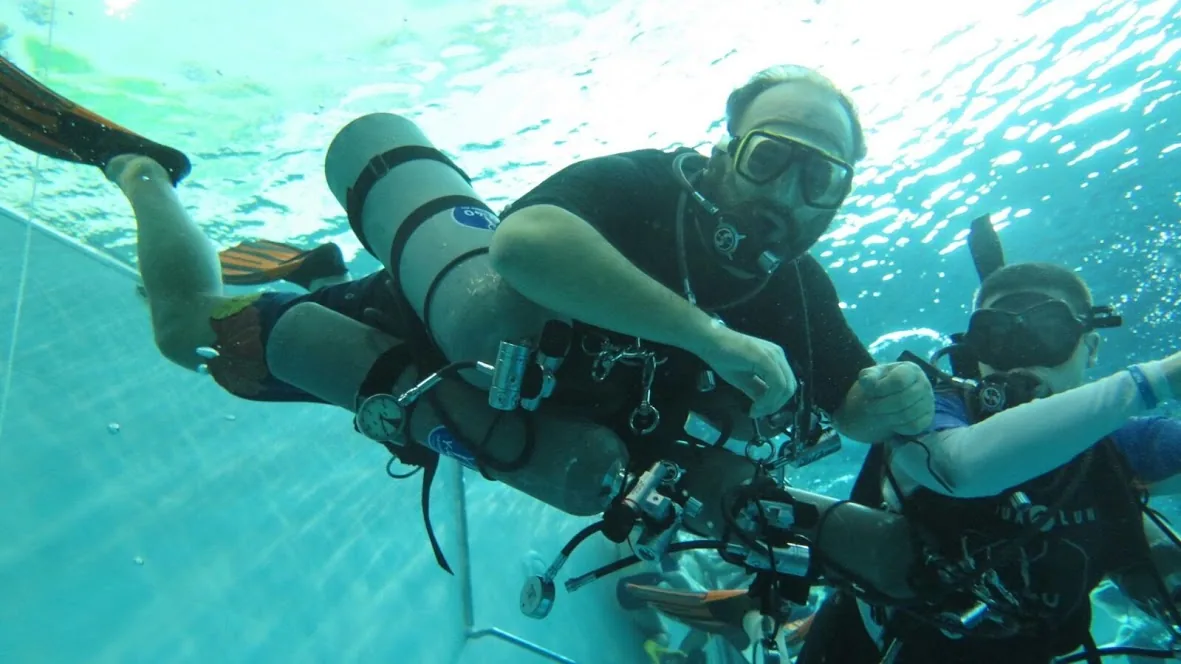
For some people, the concern may be less about enclosed space and more about breathing through a regulator, having the face in water or entering an unfamiliar environment. Those reactions should not be dismissed. They can often be approached gradually in a controlled pool or shallow-water session with an attentive professional.
I found that some people who expected to feel trapped instead discovered a powerful sensation of freedom once they were comfortable. Their first question afterwards was often: “Why did I wait so long?”
Every person is different. Nobody should be pressured to dive, but fear based on the unknown can sometimes be reduced through information, patience and a carefully managed first experience.
Enjoyed this article? If you'd like to help keep the BusaBoy Archive online, you can support the archive via PayPal.