Originally published on 25 December 2024 and transferred from the original BusaBoy blog in 2026.
“Scuba diving” covers much more than swimming around a reef with one cylinder. Over time a diver can move into very different types of diving, but they should not be treated as a checklist. Some are simple variations on a recreational dive; others need dedicated training, equipment and planning.
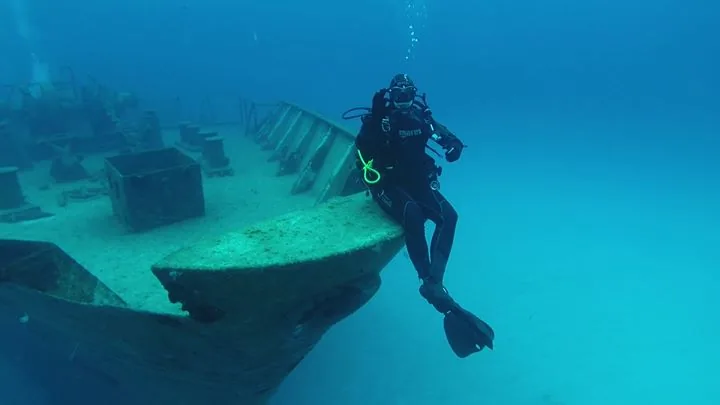
1. Wreck diving
A wreck can be history, habitat, navigation exercise and technical problem at the same time. Swimming around the exterior is very different from entering an overhead environment, so “wreck diving” covers a wide range of complexity.
2. Night diving
A familiar site changes completely after dark. Navigation feels different, communication depends more on lights and marine behaviour can change. It is also a good reminder of how much we normally rely on visual references without noticing.
3. Underwater photography and video
A camera adds task loading immediately. The challenge is not only making an image; it is doing so without losing buoyancy, situational awareness or respect for the subject and environment.
4. Sidemount diving
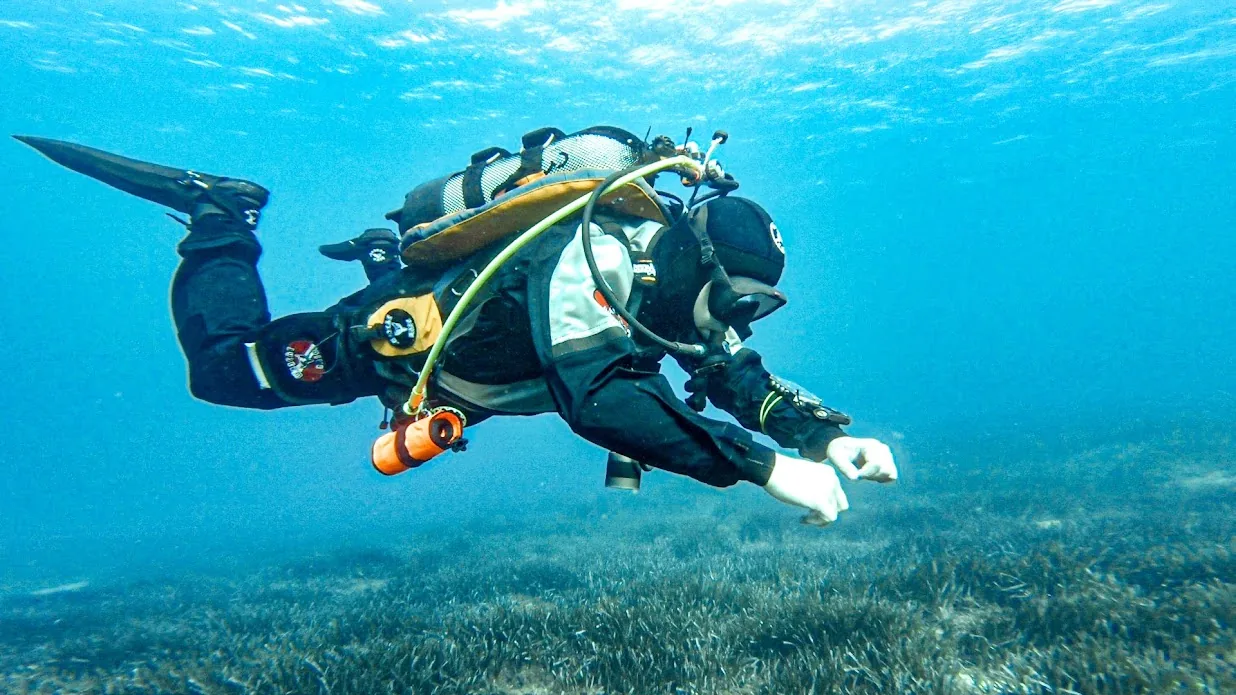
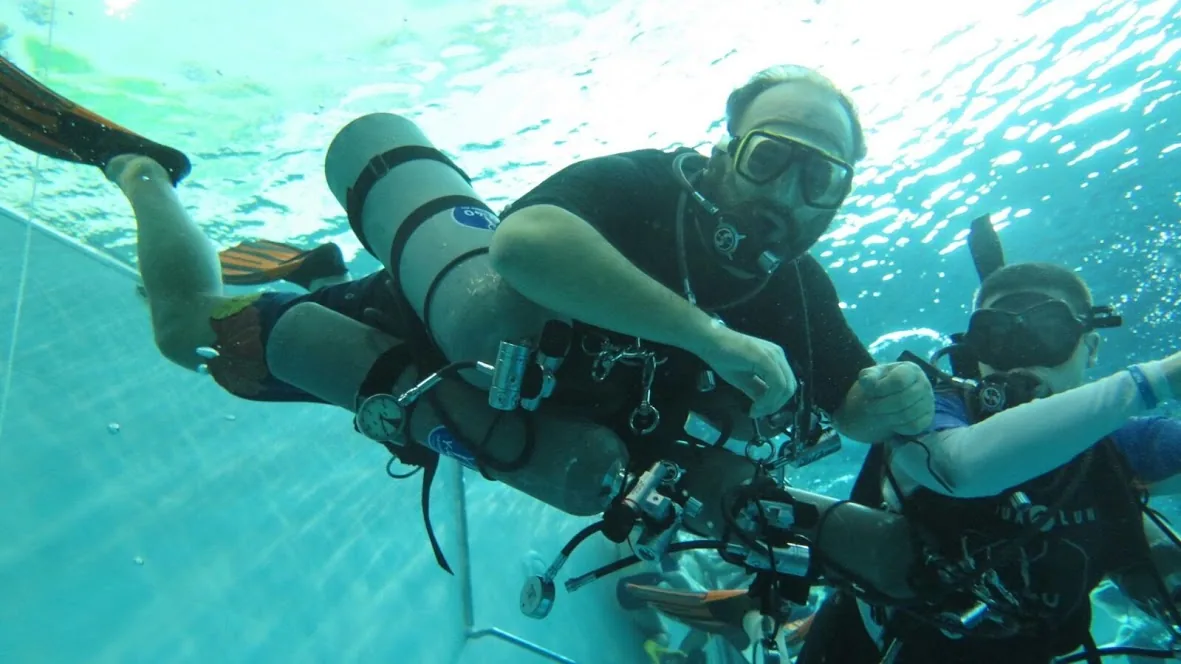
Moving cylinders from the back to the sides changes access, trim, gas management and equipment handling. I use sidemount extensively, but I still see it as a configuration with trade-offs rather than an automatic upgrade from backmount.
5. Nitrox diving
Enriched air can be useful for managing nitrogen exposure and no-decompression time within an appropriate oxygen-exposure plan. The important part is analysing the gas and understanding the maximum operating depth, not simply choosing a cylinder marked “Nitrox”.
6. Drysuit diving
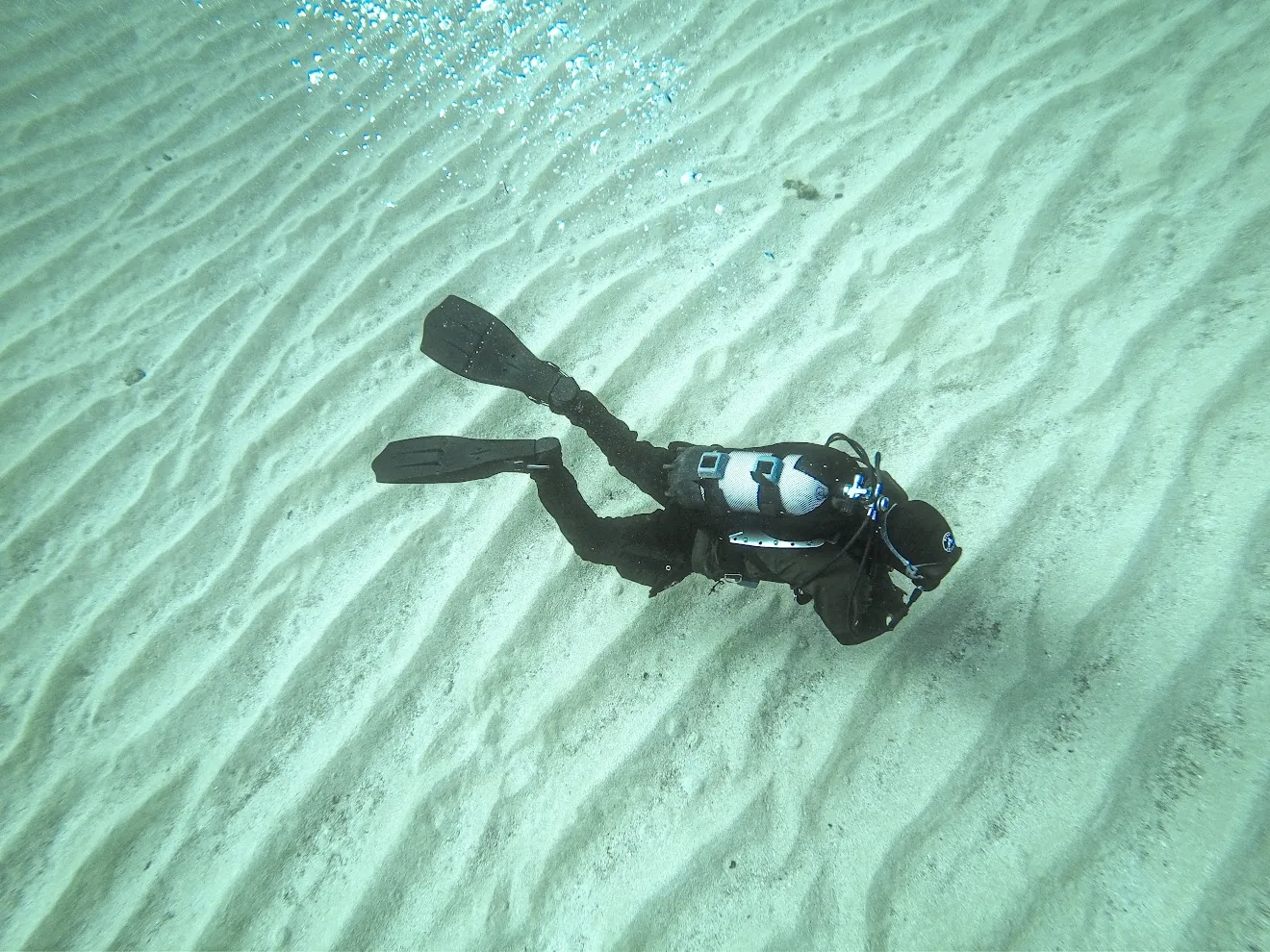
A drysuit can extend the comfortable season and becomes an important part of many cold-water and technical setups. It also changes buoyancy control and requires its own practice.
7. DPV diving
A diver propulsion vehicle changes range and workload, but it also changes gas planning, team spacing and the consequences of a failure far from the exit. Going farther is only useful if the plan still works without the scooter.
8. Altitude diving
Diving at altitude changes decompression considerations because surface pressure is lower. It is not just the same sea-level dive moved into a mountain lake, and appropriate procedures or training are needed.
9. Ice diving
Ice diving is a specialist overhead environment with restricted access to the surface. It can be spectacular, but it belongs firmly in the category of dives that need specific training, equipment and team procedures.
10. Cave diving
Cave diving removes direct access to the surface and adds navigation, gas, line and team requirements that are completely different from ordinary open-water diving. It is not a recreational “adventure upgrade”; it is a separate discipline.
Choose the kind of diving that actually interests you
There is no requirement to progress from one activity to the next. A diver who loves shallow reefs may have no interest in caves. Somebody fascinated by wrecks may never care about photography. The useful progression is training and equipment that support the dives you genuinely want to make.