This page is an English translation of the original Italian article. The original publication date and historical context have been preserved.
Do you dive in winter?
When I exclude training dives, many of my personal dives have taken place outside the traditional summer season. Yet in Italy, diving is often treated as a summer-only hobby—something reserved for holidays between June and September.
The sea remains there throughout the year, waiting to be appreciated. These are five reasons I enjoy it in winter.
1. Fewer crowds
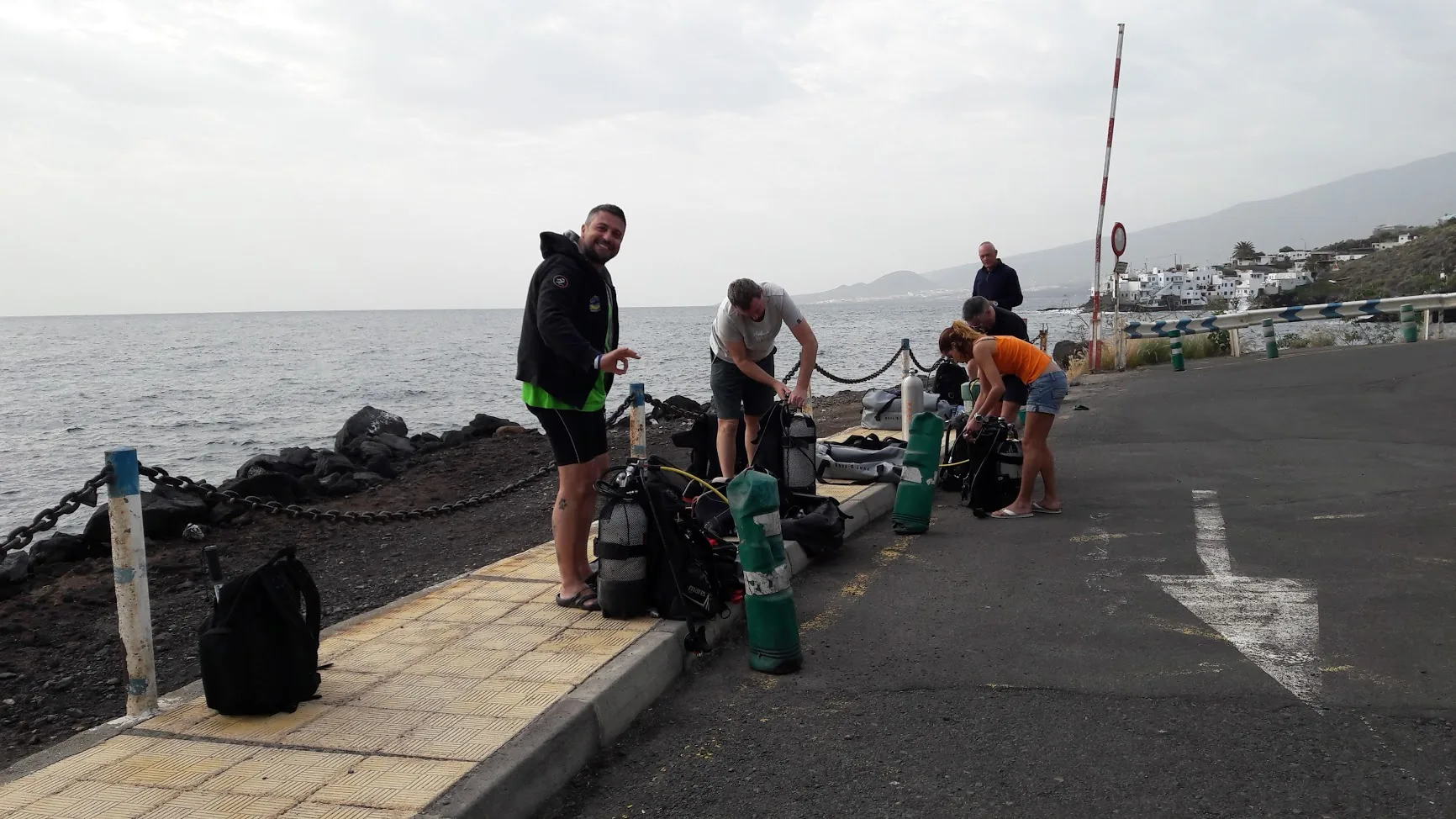
With fewer customers at dive centres, the experience can become calmer and more personal. Preparation is less rushed, groups may be smaller and the dive can be adapted more closely to the people involved.
2. Potentially clearer water
Less boat traffic, fewer swimmers and fewer divers can mean less disturbed silt and sand. Photographs may be cleaner and shore entries less chaotic. Visibility still depends on weather, plankton and local conditions, but the quieter environment is often a real advantage.
3. Different marine life
Seasonal changes bring different species and behaviours. Areas that are busy in summer may become calmer, allowing marine animals to return. Reduced noise and boat activity can also change what a diver sees.
4. Easier logistics
Parking, changing areas, restaurants and surface intervals are often less crowded. The whole day can feel less pressured, with more space to prepare equipment and enjoy the time between dives.
5. A personal challenge
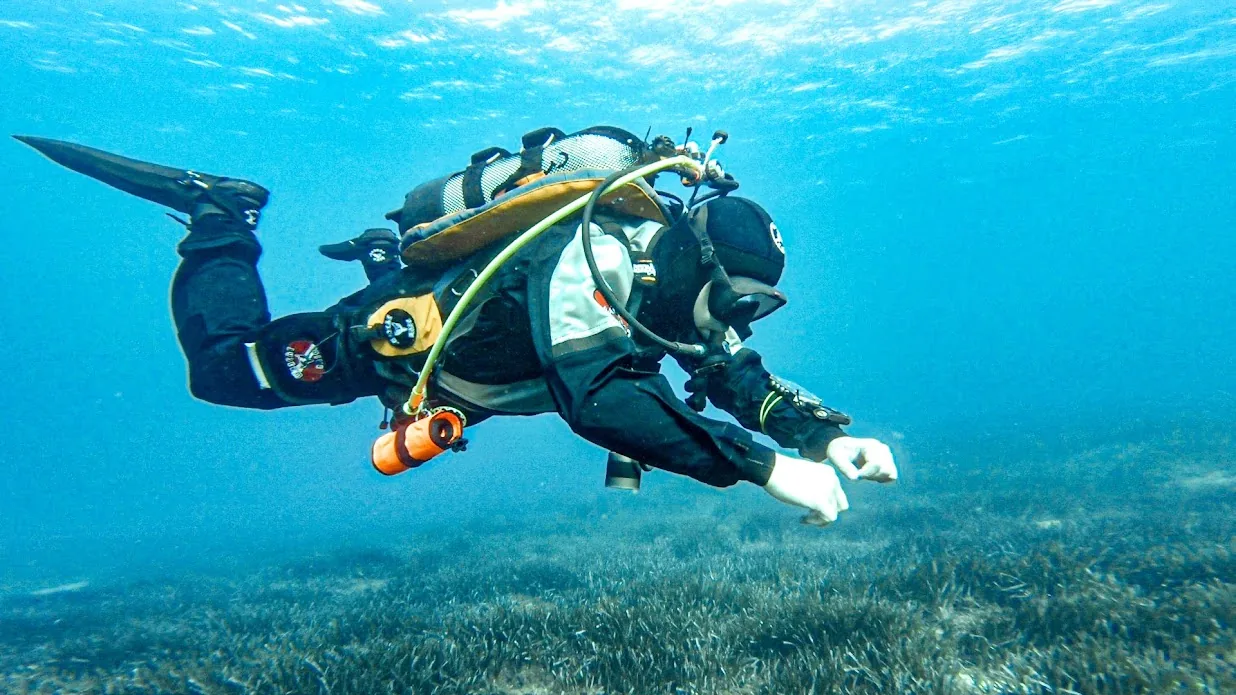
There is satisfaction in saying, “It is January, and I was underwater this morning.” Cold-weather diving expands experience, puts exposure protection to a real test and keeps drysuit skills current.
This is not a suggestion to attempt ice diving or harsh conditions without specialised training. It is simply an invitation to consider that the diving season does not have to end with summer.
A hot chocolate by the fire is pleasant—but after overcoming the temptation to stay indoors, a winter dive can become an unforgettable adventure.