The simple drain-valve modification that speeds up my post-dive routine.
The simple drain-valve modification that speeds up my post-dive routine. The dive starts long before the water, and a good transport and cleaning system can save more energy than another expensive piece of gear.
The workflow
The large transport box has a small drain valve at the bottom. After the dive I can fill the box with fresh water and use it as a rinse tank for the BCD, suit and boots.
Once those items are removed, I rinse the rest of the equipment and then drain the used water through the valve instead of lifting and tipping a heavy container. It is a tiny modification that makes repeated diving noticeably easier.
The practical point
A simple workflow is valuable because it makes the correct behaviour easy to repeat after every dive.
The drain valve is the whole trick
I added a small valve at the bottom of the large plastic box. At home I fill the box with fresh water and it becomes a rinse tank for the BCD, suit and boots. After the rest of the equipment has been rinsed, I open the valve and let the dirty/salty water drain without trying to lift a full container.
It is a tiny modification, but it demonstrates my favourite kind of equipment improvement: one object doing two jobs without adding complexity.
The dive starts before the water and ends after it
Transport, rinsing and storage rarely look glamorous in equipment discussions, yet they determine how much effort a setup creates and how well equipment ages. My system is intentionally simple: two stackable plastic boxes. The larger box carries the suit, boots and BCD; the smaller box carries denser equipment such as regulators, fins and accessories. The separation makes the load more manageable and means I am not moving one enormous container every time.
The large box has a small drain valve in the bottom. At home it becomes a rinse tank. I fill it with fresh water, rinse the suit, BCD and boots, then work through the remaining equipment before opening the valve and draining it. The box therefore earns its place twice: transport and cleaning.
Cylinders need their own logistics
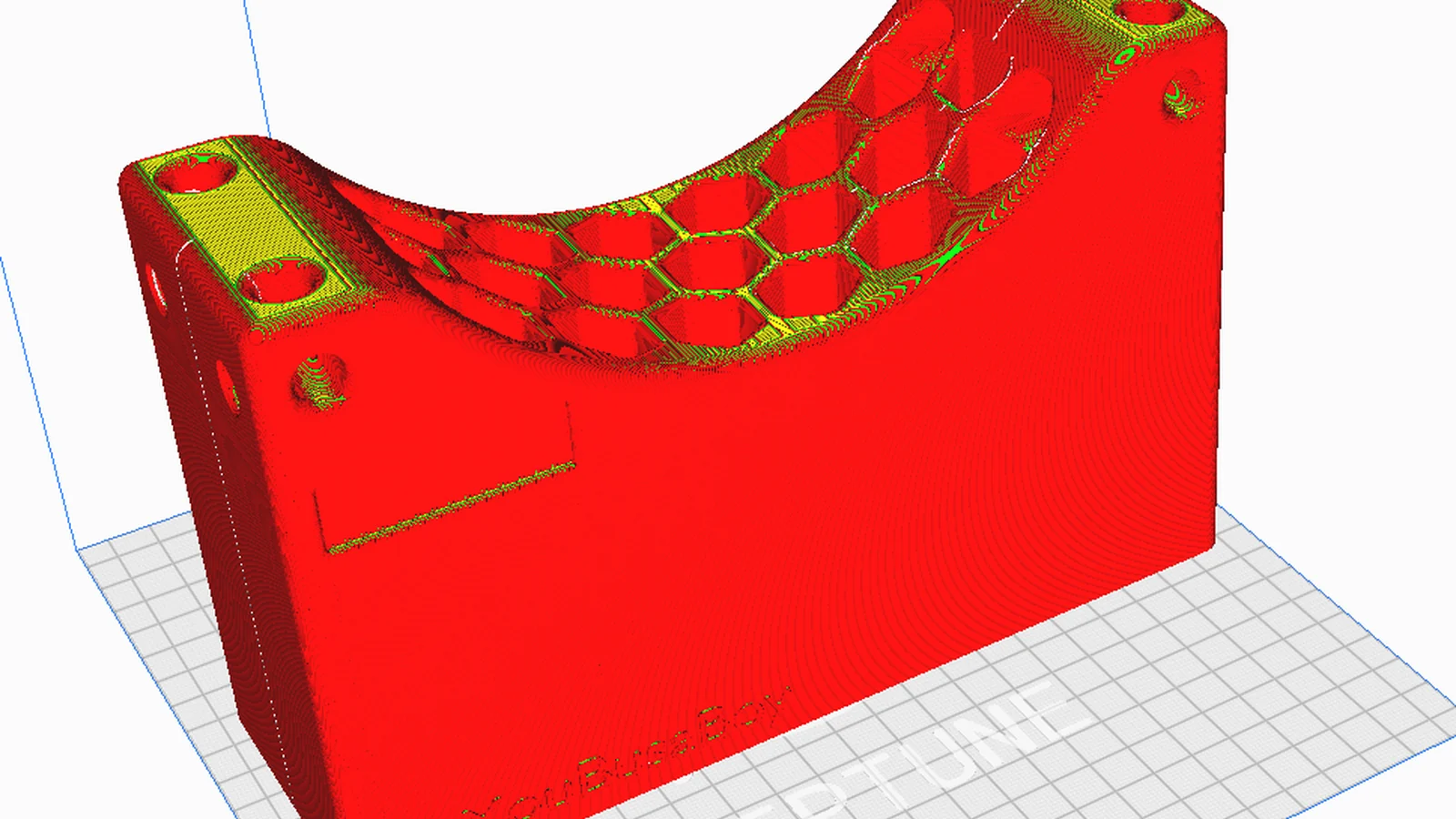
Aluminium S80s may feel beautifully neutral underwater, but they remain heavy projectiles in a vehicle. I designed and 3D-printed supports to stop them rolling around. That is a small example of the kind of equipment problem I enjoy solving: not buying another dive gadget, but making the complete process safer and easier from home to water and back again.
Rinsing is not servicing
Fresh-water rinsing removes salt and contamination; it does not replace inspection, scheduled servicing or correct drying and storage. Regulators should be handled so water is not encouraged into places it should not go, suits need to dry appropriately, and batteries/electronics deserve their own preparation. The principle is simple: maintenance begins with understanding what the equipment is designed to tolerate.
Good logistics buy more diving energy
Every unnecessary carry, tangled wet bag and rolling cylinder consumes attention before the dive or patience afterwards. I prefer solving those problems once with boxes, supports and a rinse routine. The reward is not a prettier garage; it is arriving at the water with more energy for the actual dive and getting home with equipment that is easier to maintain.
Explore related topics
This article stands on its own, but these pages go deeper into the parts that connect directly with it: